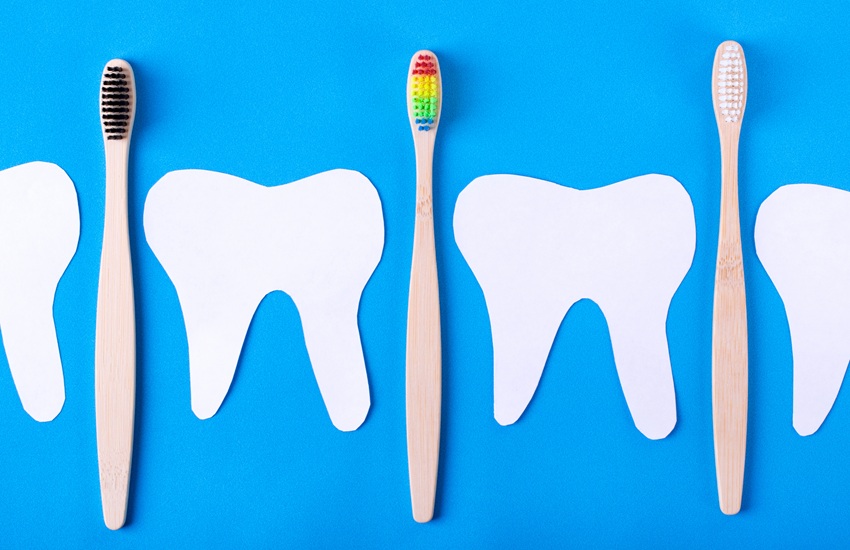
By the teenage years, your child may seem to have finished developing their adult smile. Most permanent teeth are in place, and they manage much of their daily oral hygiene independently. Their dental needs, however, are still changing.
Adolescence can bring changes in gum health, new permanent teeth, orthodontic decisions, sports-related risks, and greater independence over daily habits. Regular pediatric dental care can help you and your teen navigate these changes together.
Knowing what to expect makes it easier to support your teen while encouraging greater responsibility for their oral health.
How Does Oral Health Change During the Teenage Years?
Puberty, dental development, lifestyle changes, and growing independence can all affect teen oral health. Gums may become more sensitive, additional teeth may erupt, and orthodontic needs may become clearer. Changes in eating and brushing habits can also affect cavity and gum health.
These changes do not follow a single timeline. Instead, dental care during adolescence should reflect how your teen’s teeth, gums, bite, and habits are developing.

Puberty Can Affect Your Teen’s Gums
Hormonal changes during puberty can increase the gums’ inflammatory response to dental plaque. As a result, some teens experience more noticeable redness, swelling, tenderness, or bleeding.
A 2026 consensus report on periodontal conditions in children and adolescents recognizes puberty-associated gingivitis. However, plaque and oral hygiene remain important factors. Hormonal changes can affect how the gums respond to plaque, but gingivitis is not an inevitable part of puberty.
If your teen’s gums bleed while brushing, they should not simply avoid the area. Persistent bleeding, swelling, tenderness, or redness deserves attention. Good plaque removal and a dental evaluation can help identify the cause.
How Oral Hygiene Changes as Teens Become More Independent
Throughout childhood, parents usually manage much of their child’s oral care. Adolescence gradually shifts that responsibility to the teenager.
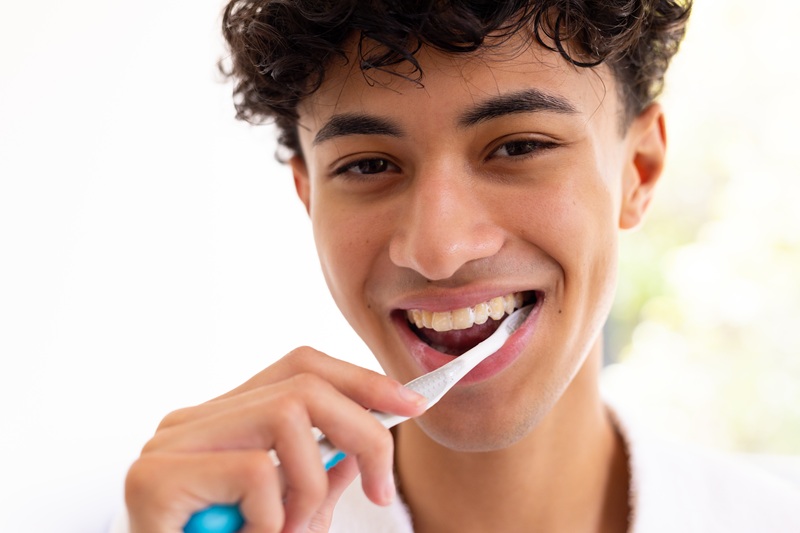
Teens begin managing their own brushing and flossing while making more independent choices about food, drinks, and daily routines. These are normal signs of growing independence, but they can also affect oral health.
Dental visits can help teens recognize areas they are missing and understand how their habits affect their teeth and gums. This is especially useful for teens with braces or other orthodontic appliances that make cleaning more challenging.
Parthenon Dental’s general and family dentistry services support children, teens, and adults as their dental needs change. Helping teenagers understand their own oral health can make that growing independence easier to manage.
Why Teens Are Still at Risk for Cavities
A mouth full of permanent teeth does not mean the cavity-prone years are over.
Teenagers have more control over what and when they eat. Frequent exposure to sugar and acids can increase their risk of tooth decay. Sports drinks, soda, energy drinks, sweetened coffee, candy, and frequent snacking can all contribute.
Cavity prevention for teens involves building habits they can maintain independently:
- Brush twice a day with fluoride toothpaste.
- Clean between the teeth as recommended by their dentist.
- Drink water regularly.
- Limit frequent sugary snacks and drinks.
- Keep routine dental visits.
- Mention tooth sensitivity or pain before it gets worse.
These habits help teens take greater responsibility for protecting their permanent teeth.
When Do Wisdom Teeth Develop?

Wisdom teeth are the third and final set of permanent molars. The American Dental Association lists approximately ages 17 to 21 as a typical eruption range, although development varies considerably.
Some wisdom teeth emerge earlier or later, and some people never develop all four. Dental exams and appropriate imaging allow the dentist to monitor their position and development over time.
Having wisdom teeth does not automatically mean they need to be removed. Available space, position, symptoms, surrounding teeth, and the ability to keep them healthy all influence treatment decisions.
If your older teen develops pain or swelling toward the back of the mouth, mention it to their dentist. An evaluation can determine whether wisdom teeth or another dental issue is responsible.
Why Orthodontic Treatment Often Comes Up During Adolescence
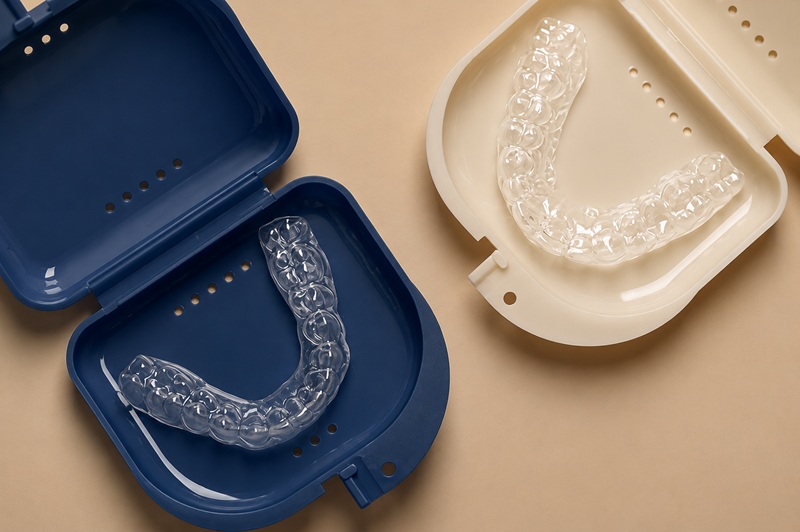
The teen years are a common time to consider orthodontic treatment. Most permanent teeth are in place, making alignment and bite concerns easier to evaluate. However, age alone does not determine whether your teen is ready.
Responsibility matters, particularly with clear aligners. Removable aligners need to be worn consistently, removed for meals, and cared for properly. If you are considering Invisalign for your teenager, an evaluation can determine whether clear aligners suit their dental development and orthodontic needs.
Both braces and clear aligners can also make oral hygiene more challenging. Brackets, wires, and attachments create additional areas where plaque and food can collect. Teens may need to adjust their brushing and interdental cleaning throughout treatment.
Teen Sports Can Increase the Risk of Dental Injuries
Competitive sports can introduce new risks to your teen’s teeth. Dental injuries can occur during contact sports and activities involving falls, collisions, balls, or equipment.
The American Dental Association recommends properly fitted mouth guards for activities with a meaningful risk of dental or facial injury. This includes football, hockey, lacrosse, martial arts, and wrestling. Basketball, soccer, baseball, gymnastics, skateboarding, and volleyball can also put teeth at risk.
A mouth guard should be part of your teen’s protective equipment whenever their activity presents a meaningful risk of injury.
Fit also deserves attention as teens grow or undergo orthodontic treatment. Tooth movement and dental development can change how an older mouth guard fits. Parthenon Dental provides custom sports mouth guards designed around an athlete’s teeth, bite, and individual needs.

When Does a Teen Transition From a Pediatric Dentist to a General Dentist?
There is no universal age when a teen needs to transition from pediatric to general dental care. Timing depends on their needs, comfort level, and the type of practice providing their care.
At a family dental practice, that transition can happen gradually. Parthenon Dental cares for children, teens, and adults, allowing dental care to evolve as your child’s needs change.
Parents may still manage appointments and insurance while teens begin discussing concerns directly with their dental team. Over time, this involvement helps prepare teenagers to manage their own oral health as adults.
When Should You Pay Closer Attention?
Not every dental change during adolescence is simply part of growing up. Contact your teen’s dentist if you notice:
- Persistent gum bleeding, redness, or swelling
- Ongoing tooth pain or sensitivity
- A chipped, cracked, or injured tooth
- Jaw pain or swelling
- Pain or swelling near an erupting tooth
- Any oral health change that does not resolve
Concerns about brushing, flossing, or other habits are also worth discussing before symptoms develop. Routine exams allow the dentist to monitor your teen’s teeth, gums, bite, hygiene, and developing wisdom teeth.
Help Your Teen Build Healthy Habits for Adulthood
Teen dental care is ultimately about preparing your child to manage their own oral health. Puberty, wisdom teeth, orthodontic treatment, and other milestones happen on different timelines. Consistent preventive care helps your family respond to those changes as they occur.
Parthenon Dental provides dental care for children, teens, and adults in San Ramon. Schedule a visit to discuss your teenager’s changing oral health needs and help them build habits that can protect their smile into adulthood.
Protect Your Teen’s Smile
Schedule an appointment with Parthenon Dental today