
What does the phrase general and family dentistry actually mean? Many people assume it refers to “regular checkups.” While regular checkups are a part of it, they are not the full story. General and family dentistry covers a wide range of routine, preventive, and problem-focused care that supports oral health at every stage of life. Understanding what falls into this category helps patients know what is considered normal dental care, which concerns can usually wait for a scheduled visit, and when something may need attention sooner.
This overview is meant to clarify what general and family dentists typically handle on a day-to-day basis, from preventive services to common treatments, while also briefly outlining signs that may indicate a more urgent dental need. Knowing the difference can make it easier to decide when to book a routine appointment and when reaching out to Parthenon Dental sooner is the right next step.
What General and Family Dentistry Includes
General and family dentistry is the type of care most people rely on throughout their lives, even if they do not always think of it that way. It covers the dental visits that help keep things on track, catch issues early, and address common problems before they become more complicated.
For children, this may look like early checkups and preventive treatments as their teeth develop. For adults, it often means maintaining oral health, managing wear and tear, and addressing problems that come with time. In both cases, general and family dentistry is about continuity, having a dentist who understands your history and can guide your care over the long term.
Routine Dental Care Most Patients Expect
When people think of going to the dentist, routine care is usually what comes to mind. These visits are designed to keep teeth and gums healthy and to make sure small concerns do not quietly turn into bigger ones.
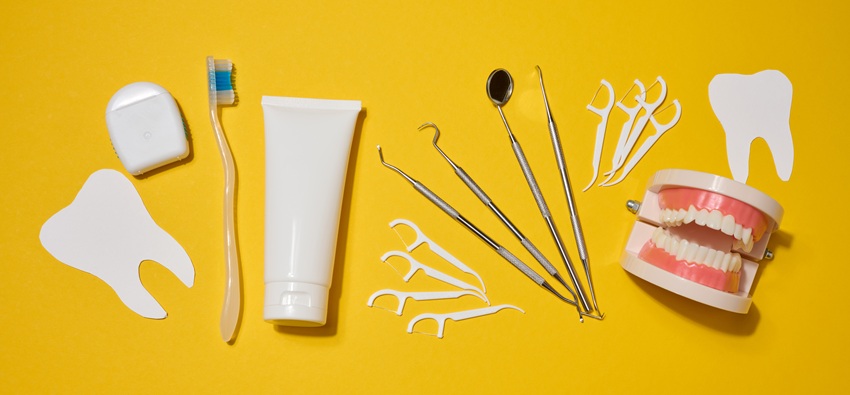
Routine appointments typically include exams, cleanings, and periodic X-rays. They give the dentist a chance to look for early signs of decay, gum disease, or changes that may not cause pain yet. For patients, these visits often provide reassurance that everything is on track or clarity about what may need attention next.
Staying consistent with routine care helps many patients avoid surprises down the road.
Preventive Services That Help Avoid Bigger Dental Problems
Preventive care focuses on protecting teeth before problems start. These services are often recommended based on age, habits, and individual risk factors rather than as one-size-fits-all treatments.
Fluoride treatments, dental sealants, and night guards for grinding or clenching are common examples. Preventive care may also include conversations about brushing habits, diet, or lifestyle factors that affect oral health. These steps may seem small, but over time they play a meaningful role in reducing cavities, wear, and gum issues.
For many patients, preventive care is what allows dental visits to stay simple and predictable.
Common Dental Problems Treated by General and Family Dentists
Not every dental concern feels serious, but that does not mean it should be ignored. General and family dentists regularly help patients with issues that are uncomfortable, concerning, or simply confusing.
This can include tooth sensitivity, cavities, chipped or worn teeth, gum irritation, or discomfort from grinding or clenching. Patients often come in unsure whether something is “bad enough” to mention, only to learn that it is a common issue with straightforward treatment options.
Addressing these problems early often makes them easier to manage and less disruptive to daily life.
When a Dental Issue May Need More Immediate Attention
Some dental concerns are harder to ignore because they interfere with everyday activities. Persistent pain, swelling, bleeding that does not improve, or sudden changes in how a tooth feels can be signs that something needs to be looked at sooner rather than later.
Injuries, cracked teeth, signs of infection, or pain that worsens quickly are also situations where prompt care can make a difference. Acting early can help reduce discomfort and prevent more complex treatment later.
Many dental issues fall somewhere in between routine and urgent, which can make the decision feel unclear. As a general rule, concerns that are mild or stable can usually wait for a scheduled appointment. Symptoms that are painful, spreading, or changing quickly are often worth a call sooner.
Knowing these warning signs helps patients feel more confident about when to reach out.
Frequently Asked Questions About General and Family Dentistry
What types of dental problems are considered part of general and family dentistry?
General and family dentistry covers most of the dental issues people experience in everyday life. This includes routine care like exams and cleanings, preventive services, and treatment for common problems such as cavities, sensitivity, minor tooth damage, gum irritation, and discomfort related to grinding or clenching. If something feels off but you are not sure where it fits, it usually belongs here.
How often should adults and children schedule routine dental visits?
For many patients, routine visits every six months are recommended. Children and adults may need different schedules based on their oral health, risk factors, and dental history. A dentist can help determine the right frequency to keep problems from developing quietly between visits.
Can general dentists treat tooth pain, sensitivity, or minor damage?
Yes. Tooth pain, sensitivity, chipped teeth, worn enamel, and similar concerns are commonly evaluated and treated by general and family dentists. These issues are often easier to manage when addressed early, even if they seem minor at first.
At what point does a dental concern become urgent rather than routine?
A concern may be more urgent if it involves persistent or worsening pain, swelling, bleeding that does not improve, signs of infection, or sudden changes in how a tooth feels. Injuries or dental pain that interferes with daily activities are also good reasons to reach out sooner rather than waiting.
Can one dental office really handle most of my family’s needs?
In many cases, yes. General and family dentistry is designed to support patients of all ages in one place, adapting care as needs change over time. Practices like Parthenon Dental focus on continuity, which helps families manage care more easily and confidently.
Understanding Your Dental Care Starts With Knowing Where to Begin
General and family dentistry is often the starting point for most dental care decisions. It provides structure, continuity, and guidance, helping patients understand what is normal, what can be monitored, and what may need attention sooner. When expectations are clear, dental care feels less uncertain and easier to manage.
If questions come up or something does not feel quite right, having a trusted dental team makes those decisions simpler. At Parthenon Dental, the focus is on helping patients and families feel informed, comfortable, and confident about their next step, whether that means scheduling routine care or getting guidance on a more immediate concern.