
The back teeth have deep grooves that a toothbrush cannot fully reach, and that is exactly where most cavities start. Brushing and flossing well is still not always enough to keep bacteria out of those pits, especially in kids whose molars have just come in. At Parthenon Dental, we place dental sealants to close off that vulnerable surface before decay has a chance to begin.
If your child’s molars have recently erupted, or you have noticed deep grooves in your own back teeth, this is a good time to talk about sealants San Ramon families rely on year after year. Schedule a visit, and we can check whether sealants make sense for your smile.
How Do Dental Sealants Prevent Cavities?
Dental sealants prevent cavities by covering the deep pits and grooves of back teeth where food, plaque, and bacteria collect. The thin protective coating creates a smoother surface and helps keep cavity-causing bacteria away from vulnerable enamel.

The data on sealants is hard to argue with. Research published by the CDC’s Vital Signs report on sealant use found that sealants prevent more than 80 percent of cavities in permanent molars during the two years after placement. That matters because nine out of every ten cavities in kids happen on those exact molar surfaces. The same report found that school-age children without sealants develop nearly three times as many cavities as children who have them.
We see this play out often in San Ramon families. A child’s first permanent molars typically arrive around the start of elementary school, and the second set follows a few years later. Both eruptions are natural windows for sealant placement, before those new teeth have been exposed to years of snacks, sports drinks, and inconsistent brushing.
“The best cleanings and dental work in the area.”
Chris P., Google Review
What Are the Benefits of Teeth Sealants?
A sealant creates a smooth, protective layer over the chewing surface of a molar, closing off the pits and grooves where food and bacteria would otherwise collect. The benefits go beyond simply avoiding a cavity:
- The procedure takes only a few minutes per tooth and requires no drilling or numbing
- Sealants are virtually painless, which matters for younger or more anxious patients
- They cost far less than the fillings or crowns needed to treat a cavity that was allowed to progress
- A single application can protect a molar for years with routine care
Sealants do not replace brushing, flossing, or regular visits.
Who Is a Candidate for Dental Sealants?

Dental sealants are most commonly recommended for children after their permanent molars come in, typically between the ages of 6 and 14. Applying sealants soon after these teeth erupt helps protect them during the years when cavities are most likely to develop.
Adults can benefit from sealants as well. If you have deep grooves in your molars, no existing fillings in those teeth, or a history of cavities on your chewing surfaces, sealants may provide an extra layer of protection regardless of your age.
During your exam, we look beyond age alone. Some molars have shallow grooves that are easy to keep clean, while others have deep, narrow pits that trap plaque and food even with good brushing habits. Those teeth are often the best candidates for sealants because they are naturally more prone to decay.
Teenagers are another group that often benefits from sealants. Between orthodontic treatment, changing routines, and newly erupted second molars, cavity risk can increase during the middle and high school years. If your teen’s molars have never been sealed, it is worth discussing the option at their next dental visit.
What to Expect at Your Sealant Visit

For families bringing in a young child for the first time, knowing what to expect can make the appointment easier for everyone. The visit typically starts with a short exam so we can identify which molars would benefit most, followed by the cleaning and application process itself. There is no needle, no drilling, and no numbing involved, which makes it one of the more comfortable procedures a child will experience at the dentist.
Most kids sit still for the full appointment without difficulty, since each tooth only takes a few minutes to seal. We walk younger patients through each step in simple terms before it happens, which tends to ease any nerves faster than surprising them. Parents are welcome to stay in the room throughout the visit.
Sealants Versus Ceramic Coatings
Patients occasionally ask us about a ceramic teeth coating after seeing the term online. That is a different category of treatment, generally referring to cosmetic bonding or veneers placed on visible front teeth for appearance. A dental sealant serves a functional purpose on the back molars and is not intended to change how a tooth looks. If you are interested in improving the appearance of your smile rather than protecting a molar from decay, our porcelain veneers page covers that option in more detail.
How We Apply Dental Sealants at Parthenon Dental

The process itself is straightforward. We start by cleaning and thoroughly drying the tooth, since even a small amount of saliva contamination during the next step can weaken how well the sealant bonds. A mild etching solution is applied to slightly roughen the enamel, which is rinsed off and the tooth is dried again before the sealant material goes on. A curing light hardens the resin in seconds, and the bite is checked to confirm nothing feels high or uneven.
Timing matters almost as much as technique. A sealant placed on a molar the same year it erupts, before any decay has started, has a much better long-term outcome than one placed after a tooth has already been exposed to years of wear. We flag newly erupted molars during routine cleanings specifically so we can catch that window rather than waiting for a parent to bring it up.
How Long Do Sealants Last?
A well-placed sealant can protect a molar for several years, and some remain intact for up to nine years before needing to be reapplied. Two years after placement, protection against cavities on that surface exceeds 80 percent, and meaningful protection continues for up to four years. We check every sealant at your regular cleaning visits and reapply as needed if we see chipping or wear, so the protection does not quietly lapse without you knowing.
Do not wait until a cavity shows up on an X-ray to ask about sealants. Schedule a check now, and we can seal any at-risk molars before decay has a chance to start.
Dental Sealants vs. Fluoride: Does Your Child Need Both?

Dental sealants and fluoride both help prevent cavities, but they protect teeth in different ways. For many children, using both provides more complete protection as permanent teeth develop.
Fluoride strengthens tooth enamel and helps make teeth more resistant to decay. It can protect the surfaces of many teeth, particularly when used consistently through toothpaste and professional fluoride treatments.
Dental sealants create a physical barrier over the deep grooves of back teeth. These areas can trap food and bacteria even with good brushing habits. Sealing the grooves helps protect molars where cavities commonly develop.
Sealants and fluoride are therefore not competing treatments. A child may benefit from both based on age, cavity history, oral hygiene, and the shape of their teeth. At Parthenon Dental, Dr. Niko can evaluate your child’s teeth and recommend the right combination of preventive care for their needs.
Dr. Niko treats several members of my family, including my mom, cousin, and siblings. That alone shows how much we trust him, and I’m so grateful we found such a great dentist.
Michelle W., Google Review, Summarized
Caring for Sealants After Placement
Once a sealant is in place, day-to-day care does not change much. Brush and floss as you normally would, since sealants are designed to withstand regular chewing and cleaning without special handling. Very sticky or hard foods, like ice or hard candy, can chip a sealant over time the same way they can damage natural enamel, so moderation there helps the sealant last as long as possible.
The main thing we ask is that sealants get checked at every routine cleaning. A sealant rarely fails all at once. More often, a small edge wears down first, and catching that early means a quick touch-up rather than a cavity forming underneath. This is one more reason consistent six-month visits matter, even for a tooth that already has protection in place.
Schedule Your Sealant Appointment in San Ramon
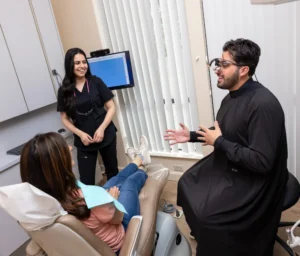
Sealants are one of the simplest preventive steps in dentistry, and also one of the most overlooked. A short appointment now can spare your family the cost, discomfort, and lost school or work time that comes with treating a cavity later. For newly erupted molars especially, earlier is almost always better than waiting to see what happens.
We have placed sealants for San Ramon families for years, watching kids grow through both sets of molars and into adulthood with a strong foundation underneath. Adults are just as welcome to ask about sealants at their next cleaning, particularly if deep grooves or a history of decay make certain molars harder to keep clean.
Reach out to Parthenon Dental to schedule an exam with Dr. Nikolas Stathopoulos. We will check which molars could benefit, walk you through the process, and get sealants placed before decay has the chance to take hold.

 925-718-8483