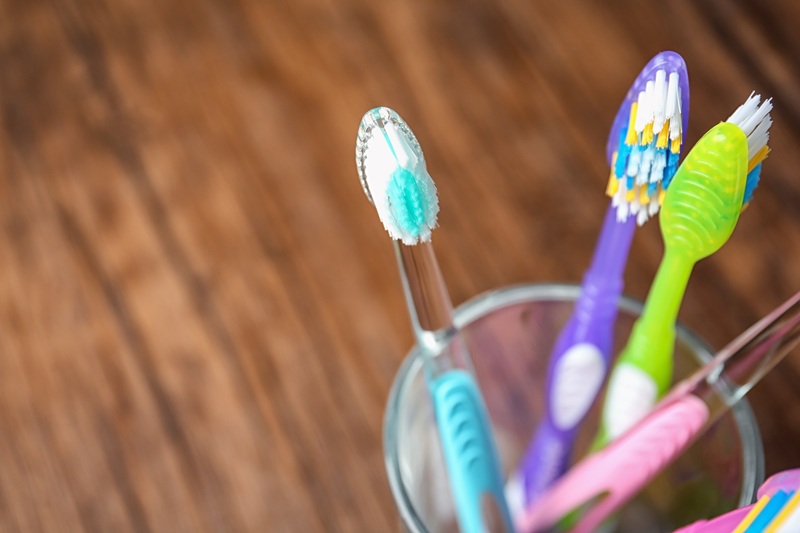
It is one of the most common questions dentists hear, and it is a reasonable one. The short answer is that an electric toothbrush does offer some real advantages for certain patients. The longer answer is that the toothbrush used well and consistently will always outperform the one sitting unused on the counter. Technique and habit matter more than the tool in most cases. That said, there are situations where switching makes a genuine difference, and this post will help clarify which situation applies.
What the Research on Toothbrush Type Actually Shows
Studies comparing electric and manual toothbrush performance consistently show that electric brushes remove more plaque and reduce gingivitis more effectively in controlled settings. A Cochrane Library review of 56 studies found that electric toothbrushes reduced plaque by 21% and gingivitis by 11% more than manual brushes after three months of use.
Those are real numbers, and they are worth knowing. They are also averages across a range of users with varying habits and techniques. A person who brushes thoroughly for two minutes with a manual brush and flosses daily will have better outcomes than someone who uses a high-end electric brush for 45 seconds and skips flossing. The research is useful for understanding what is possible with an electric brush. Whether that potential is realized depends on how it is used.
Where Electric Brushes Have a Real Advantage
There are specific situations where switching to an electric toothbrush produces measurable improvement. It is worth naming those clearly rather than treating this as a generic product question.
Built-In Timers
Most people do not brush for the recommended two minutes. They think they do. The actual average is closer to 45 seconds to a minute. Electric brushes almost universally include a two-minute timer, and many include 30-second quadrant alerts that prompt moving to the next section of the mouth. This feature alone accounts for a significant portion of the improvement seen in research. More time brushing means more plaque removed, regardless of brush type.
Pressure Sensors
Brushing too hard is more common than most patients realize. Aggressive brushing wears down enamel over time and can contribute to gum recession. Many mid-range and higher-end electric brushes include a pressure sensor that alerts when force is too high. A soft-bristled manual brush used with appropriate pressure works just as well, but for patients who tend to scrub rather than brush, that real-time feedback is genuinely useful.
Dexterity Limitations
The benefits of electric toothbrushes are most pronounced for patients whose manual dexterity is limited. This includes older adults managing arthritis or reduced grip strength, patients with certain neurological conditions, and young children who are still developing the fine motor coordination needed for effective manual brushing. For these patients, the oscillating or sonic action of an electric brush does more of the mechanical work that might otherwise be inconsistent.
Orthodontic Appliances
Patients with braces, permanent retainers, or other fixed appliances often find it easier to clean effectively with an electric brush. The powered motion helps dislodge plaque from around brackets and wires that are harder to reach with a manual brush.
Where Technique Matters More Than the Tool
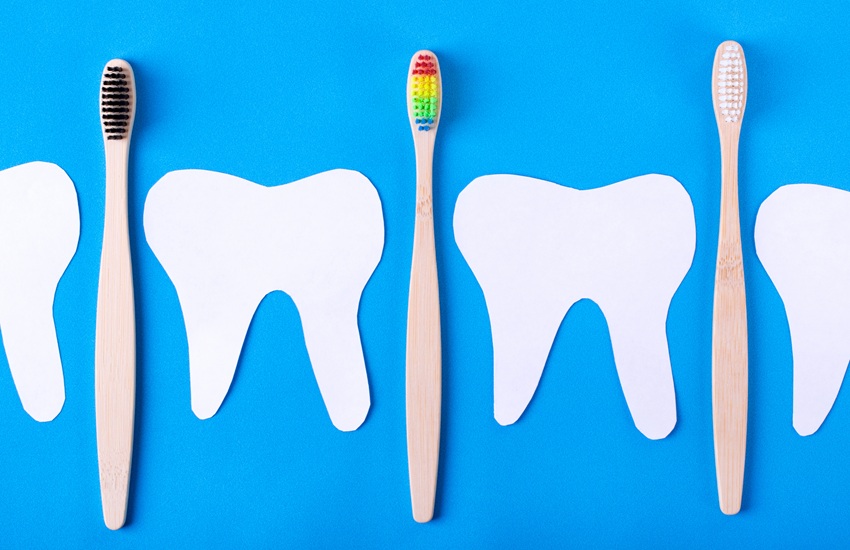
Patients who brush well with a manual toothbrush tend to keep brushing well. Patients who brush poorly tend to continue brushing poorly, even after upgrading to an electric brush. The tool changes, but the habit and the attention do not.
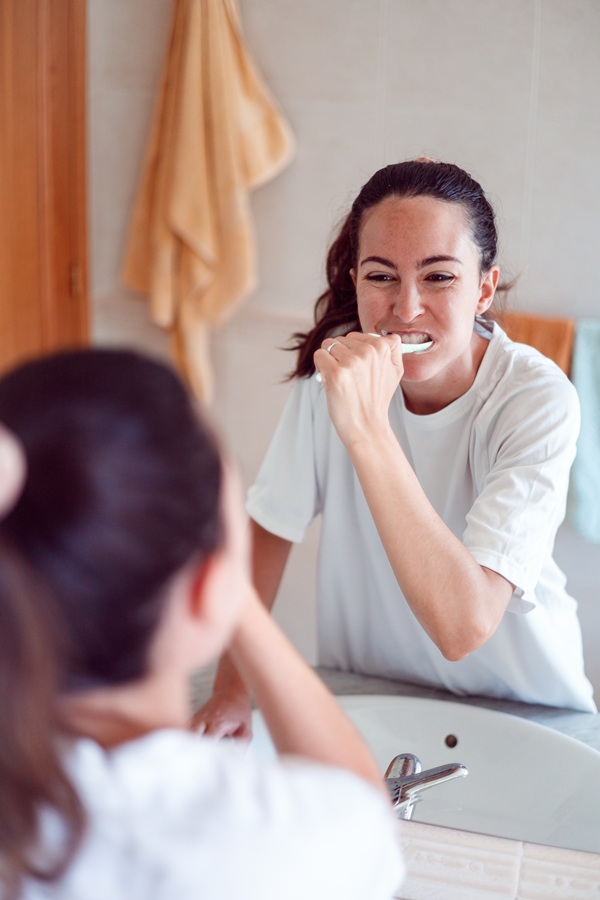
Proper brushing technique with any toothbrush involves holding the brush at a 45-degree angle to the gumline, using short strokes or small circles to clean each surface, and spending enough time on each section to actually clear the plaque. That means reaching the back surfaces of the rear molars, where most people rush or miss entirely, and the tongue side of the lower front teeth, where tartar tends to accumulate faster. An electric brush running over the same areas a manual brush was missing does not fix the coverage problem. It just oscillates in the wrong place faster.
Brushing Habits Worth Checking
- Are you brushing for a full two minutes, or estimating?
- Are you reaching the gumline on both the cheek side and the tongue side of every tooth?
- Are you hitting the back surfaces of the last molars?
- Are you replacing your toothbrush or brush head every three to four months, or when bristles are visibly worn?
- Are you using a soft-bristled brush? Medium and firm bristles are harder on enamel and gums than most patients expect.
The Cost Question and What It Actually Means
A quality electric toothbrush costs more upfront than a manual one. Entry-level models with timers start around $25 to $40. Mid-range options with pressure sensors and multiple modes run $60 to $150. Premium models go higher, and replacement brush heads are an ongoing cost.
Whether that investment is worth it depends on current home care and what needs to improve. For a patient already brushing well, flossing consistently, and keeping up with cleanings, the marginal benefit of switching may be modest. For someone who knows they rush, or whose cleanings have been showing more buildup than expected, an electric brush with a timer can make a real difference.
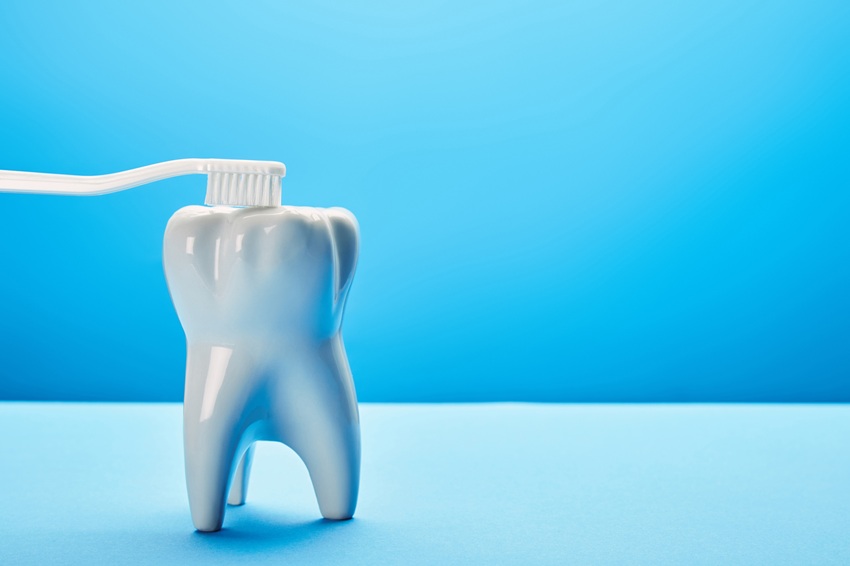
What the Best Toothbrush for Oral Health Really Means
The best toothbrush is the one used correctly, every day, for two minutes, covering all the surfaces of every tooth. That sounds straightforward, and it is also genuinely the most important variable in home care. No brush compensates for inconsistent use, and no brush replaces flossing for the spaces between teeth where a brush cannot reach.
Toothbrush debates — electric versus manual, sonic versus oscillating — are really about the 35 percent of the tooth surface that a brush reaches. The remaining 65 percent lives between the teeth, and only floss or a water flosser gets there. Getting that right matters more than which type of brush is doing the work on the other surfaces.
For patients who want a recommendation tailored to their specific teeth and home care routine, a dentist can look at where plaque tends to accumulate and make a suggestion based on actual patterns rather than a general average.