Regular brushing generally should not cause ongoing gum pain. Mild tenderness can sometimes happen after changing your brushing or flossing routine, but gums that consistently hurt when you brush are worth paying attention to.
The cause may be as simple as brushing too aggressively or temporary irritation. Soreness can also be a sign of plaque buildup, gingivitis, or another dental issue. Understanding what is causing the discomfort can help you decide whether a change at home is enough or whether it is time to see your dentist.
Common Reasons Gums Hurt When Brushing
Gum pain when brushing can have several causes. Sometimes the toothbrush or brushing technique irritates the tissue. In other cases, inflammation or another problem around the gumline makes the area sensitive before the toothbrush ever touches it.
Brushing Too Hard or With a Stiff Brush
More pressure does not necessarily mean cleaner teeth. Scrubbing aggressively can irritate the gums, and repeated trauma may contribute to gum recession over time.
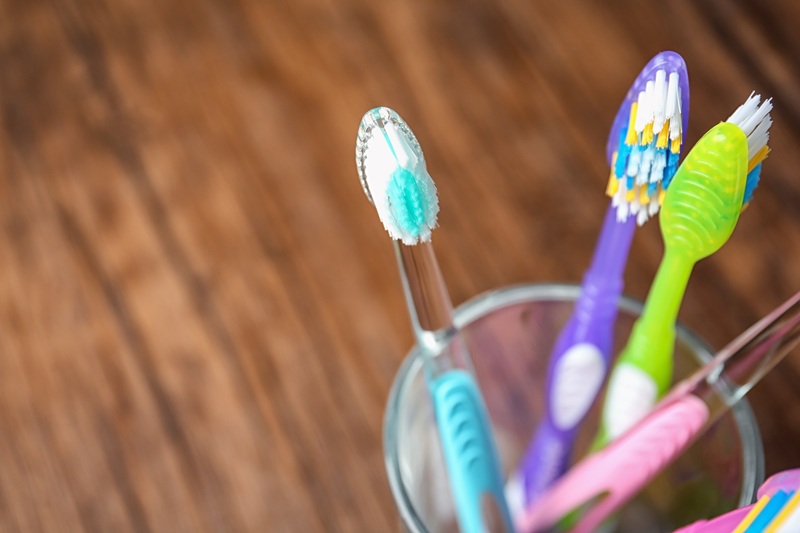
The American Dental Association recommends using a soft-bristled toothbrush held at a 45-degree angle to the gums. Use gentle pressure rather than scrubbing back and forth. If your toothbrush bristles quickly become bent or splayed, that can also be a sign that you are pressing harder than necessary.
Plaque Buildup Along the Gumline
Plaque is a sticky film of bacteria that continually forms on the teeth. When plaque accumulates along the gumline, it can irritate and inflame the surrounding gum tissue.
That inflammation may make the gums look red or swollen and feel tender when you brush or floss. Areas that are difficult to clean can be particularly prone to plaque buildup, which is one reason soreness may repeatedly appear around the same teeth.
Early Gingivitis and Gum Pain
Gingivitis is the earliest stage of gum disease. Common signs can include red or swollen gums, tenderness, and bleeding during brushing or flossing. Some people notice bleeding or changes in the appearance of their gums without experiencing much pain at all.
The CDC notes that gingivitis can be prevented and reversed with good oral hygiene and professional care. Addressing inflammation at this stage is important because untreated gingivitis can progress to more serious periodontal disease.
Other Triggers for Gum Pain When Brushing
Not every sore spot means you have gum disease. Temporary irritation and other oral health issues can also make the gums uncomfortable during brushing. Possible causes include:
- Starting or restarting a flossing routine
- Food or debris caught around the gumline
- Canker sores or minor injuries inside the mouth
- Oral care products that irritate sensitive tissue
- Hormonal changes that can affect gum sensitivity
- Braces, aligners, or recent dental treatment
- A worn toothbrush with frayed or uneven bristles
If the pain is concentrated around one tooth, becomes more severe, or occurs with swelling, pus, fever, or significant tooth pain, it deserves prompt dental attention rather than assuming brushing technique is the cause.
Is Your Brushing Technique Causing Gum Pain?

Brushing technique can contribute to sore or sensitive gums. Scrubbing back and forth with too much pressure can push the bristles against the gum tissue rather than gently cleaning along the gumline.
A few adjustments can make brushing more comfortable while still removing plaque effectively:
- Hold the toothbrush with a light grip rather than squeezing it tightly
- Angle the bristles about 45 degrees toward the gumline
- Use short, gentle strokes instead of aggressive scrubbing
- Clean the outer, inner, and chewing surfaces of each tooth
- Brush for about two minutes, twice a day
When gums bleed or feel tender, it can be tempting to avoid the area completely. However, plaque can continue to accumulate when teeth are not cleaned thoroughly. Continue brushing gently rather than aggressively scrubbing sensitive tissue. If an area is particularly painful, swollen, or continues to bleed, a dentist can determine whether something other than brushing technique is causing the problem.
An electric toothbrush with a pressure sensor can also be helpful for people who tend to brush too hard. Whether electric toothbrushes are better than manual toothbrushes often comes down to brushing habits, technique, and personal preference.
When Gum Pain May Be a Sign of Gum Disease
Occasional gum tenderness can have a relatively simple explanation, such as aggressive brushing, a change in flossing habits, or temporary irritation. Pain that persists or occurs along with other changes to the gums deserves more attention.
Possible signs of gum disease include:
- Gums that frequently bleed during brushing or flossing
- Persistent redness, swelling, or tenderness
- Gums that pull away from the teeth or make the teeth appear longer
- Persistent bad breath or an unpleasant taste
- Pus around the gumline
- Teeth that feel loose or begin to shift
Gum disease does not always cause significant pain in its early stages, which is one reason changes such as repeated bleeding or swelling should not be ignored. Knowing when bleeding gums are a warning sign and recognizing the early signs of gum disease can help you identify changes that warrant a dental exam.
How to Stop Gums From Hurting When Brushing
If the soreness appears related to brushing technique or minor irritation, changing how you care for your teeth and gums may help. Start with a few basic adjustments:
- Use a soft-bristled toothbrush
- Lighten your grip and avoid aggressive scrubbing
- Floss gently, curving the floss around each tooth rather than snapping it against the gums
- Continue cleaning along the gumline without forcing the bristles into sore tissue
- Replace a toothbrush when the bristles become worn or frayed
Pay attention to what happens after you make those changes. Mild irritation caused by brushing too aggressively may settle as the tissue is no longer being repeatedly irritated. Pain, bleeding, or swelling that persists, worsens, or does not have an obvious cause should be evaluated by a dentist.
Gum Pain or Tooth Sensitivity?
Sometimes discomfort that seems to come from the gums actually comes from a tooth or an exposed root surface. Tooth sensitivity often causes a brief, sharp sensation in response to cold, heat, sweets, or brushing, while gum discomfort may feel more like tenderness or soreness in the surrounding tissue.
Because the symptoms can overlap, persistent discomfort is worth having evaluated rather than trying to diagnose the source yourself. Understanding common tooth sensitivity causes and treatment options can also help explain why discomfort that seems to come from the gums sometimes originates from a tooth or exposed root.
When Sore Gums When Brushing Need a Dentist
If gum pain persists, worsens, or occurs along with repeated bleeding, swelling, recession, or other changes, a dental exam can help determine what is causing it.
During an exam, the dentist or hygienist can look for inflammation, plaque and tartar buildup, gum recession, and other signs of periodontal problems. They may also measure the spaces between the teeth and gums, known as periodontal pockets. These measurements, along with the appearance and condition of the gums and other findings, help determine whether gum disease is present and how far it has progressed.
Gingivitis may improve with professional cleaning and consistent oral hygiene at home. When gum disease has progressed beyond gingivitis, more extensive gum disease treatment may be necessary to control the infection and protect the tissues supporting the teeth.
Why Gum Pain When Brushing Deserves Attention
It is easy to shrug off sore gums, especially when they only bother you for a moment while brushing. Sometimes the explanation is as simple as too much pressure or temporary irritation. Persistent tenderness, bleeding, or swelling can point to a problem that deserves a closer look.
The important thing is to notice whether the discomfort improves after adjusting your brushing habits or continues despite gentler care. Gum disease can develop without significant pain, so changes in how your gums look, feel, or respond to brushing are worth discussing with your dentist.
Parthenon Dental provides preventive and periodontal care for patients in San Ramon. If your gums continue to hurt when you brush or you are noticing bleeding, swelling, or other changes, a dental exam can help identify the cause and determine what care, if any, you need.