

Hearing “you need a deep cleaning” can catch you off guard, especially if you are used to routine dental cleanings. Scaling and root planing is a nonsurgical treatment for gum disease that cleans below the gumline where regular brushing, flossing, and routine cleanings cannot fully reach.
Knowing why your dentist recommends a deep cleaning and what happens during the appointment can make the process feel less intimidating. Here is what to expect from scaling and root planing, from the procedure itself through follow-up care.
What Does Scaling and Root Planing Treat?
A regular dental cleaning removes plaque and tartar from the teeth and around the gumline. When the gums are healthy, routine cleanings and good home care help keep these areas clean.
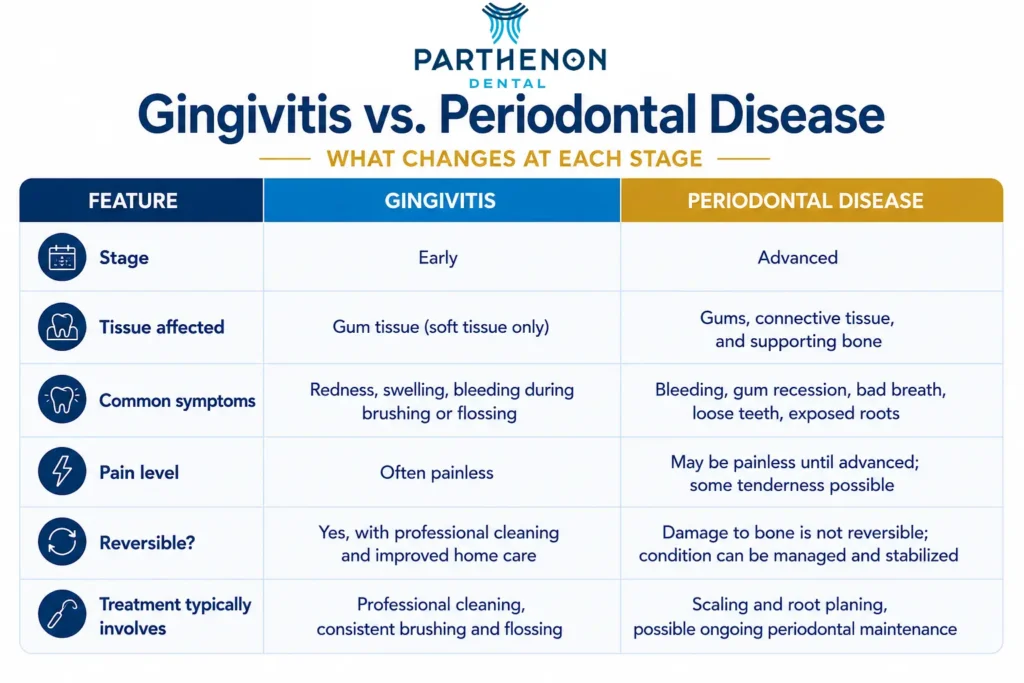
Gum disease can cause the tissues around the teeth to become inflamed and pull away from the tooth surface, creating deeper spaces known as periodontal pockets. Plaque and hardened tartar can collect below the gumline and on the tooth roots, where a toothbrush and floss cannot remove them.
Scaling and root planing treats these areas below the gumline. Scaling removes plaque and tartar, while root planing addresses affected root surfaces to create a cleaner environment for the gums to heal.
Why Isn’t a Regular Dental Cleaning Enough?

A routine cleaning and a deep cleaning serve different purposes. When signs of periodontal disease are present below the gumline, a regular cleaning may not reach the areas that require treatment.
Dentists consider several findings when determining whether scaling and root planing is appropriate. These can include periodontal pocket measurements, bleeding or inflammation, tartar below the gumline, changes in the tissues supporting the teeth, and bone levels visible on dental X-rays.
For that reason, a single pocket measurement does not determine whether someone needs a deep cleaning. Your dentist evaluates the overall health of your gums and supporting tissues before recommending periodontal treatment.
Signs You May Need a Deep Cleaning for Gum Disease
A dentist or hygienist may recommend scaling and root planing after evaluating the health of your gums and the tissues supporting your teeth. Periodontal pocket measurements and dental X-rays can be part of that evaluation, along with other clinical findings.
Signs that may indicate periodontal disease needs treatment include:
- Gums that frequently bleed during brushing or flossing
- Periodontal pockets that have become deeper
- Tartar buildup below the gumline
- Changes in the bone supporting the teeth
- Gums that appear red, swollen, tender, or receded
- Persistent bad breath or an unpleasant taste
Gum disease does not always cause noticeable pain, especially in its earlier stages. Recognizing the early signs of gum disease can help you know when changes in your gums deserve a closer look.
What Happens During Scaling and Root Planing?
Scaling and root planing involves cleaning areas affected by periodontal disease above and below the gumline. Although the terms are often used together, scaling and root planing describe different parts of the treatment.
Scaling
Scaling removes plaque and hardened tartar, also called calculus, from the surfaces of the teeth and from areas below the gumline. Dental professionals may use specialized hand instruments, ultrasonic instruments, or a combination of techniques depending on the areas being treated.
The goal is to remove deposits that brushing and flossing cannot remove once they have hardened or accumulated below the gumline.
Root Planing
Root planing focuses on the affected root surfaces beneath the gums. The dental professional removes remaining deposits and addresses rough or contaminated areas of the root surface.
Cleaning these areas gives the surrounding periodontal tissues a healthier environment in which to respond to treatment. How much the gums heal or the periodontal pockets change afterward varies based on the extent of the disease and other individual factors.
Deep Cleaning Teeth: What to Expect at Your Visit

The exact treatment plan depends on the extent and location of the gum disease. Before treatment begins, the dental team reviews your periodontal findings and explains which areas need to be treated.
A scaling and root planing appointment may include:
- Reviewing your gum health, periodontal measurements, and relevant X-rays
- Using local anesthetic to keep the treatment area comfortable when appropriate
- Cleaning plaque and tartar from above and below the gumline
- Treating affected root surfaces in the areas with periodontal disease
- Reviewing aftercare instructions and what to expect following treatment
Scaling and root planing may be completed in one appointment or divided across multiple visits. The number and length of appointments depend on how many areas require treatment and your individual needs.
Does Scaling and Root Planing Hurt?
Local anesthetic is commonly used to help keep patients comfortable during scaling and root planing. You may feel pressure, movement, or vibration as the teeth and root surfaces are cleaned, but the goal is to minimize discomfort during treatment.
Some tenderness or sensitivity can occur after the anesthetic wears off. If dental treatment makes you particularly nervous, sedation dentistry may also be an option to discuss with the Parthenon Dental team before your appointment.
What Is Recovery Like After Scaling and Root Planing?

Your gums may feel tender or sensitive after scaling and root planing, particularly once the local anesthetic wears off. Some people also notice temporary sensitivity to hot or cold temperatures. How long these effects last varies depending on the extent of treatment and how your gums respond.
You may also notice that your gums look different as inflammation decreases. Teeth can sometimes appear slightly longer, or spaces between teeth may become more noticeable. These changes can occur as swollen gum tissue settles following periodontal treatment.
Contact your dental team if you experience symptoms that concern you or discomfort that is more significant or persistent than you were told to expect.
Scaling and Root Planing Aftercare
Your dental team will provide aftercare instructions based on the areas treated and your individual needs. General recommendations may include:
- Wait until numbness has worn off before chewing to avoid accidentally biting your cheek, lip, or tongue
- Brush gently with a soft-bristled toothbrush
- Follow your dental team’s instructions for cleaning between the teeth and around treated areas
- Choose foods that feel comfortable while your gums are tender
- Follow any recommendations provided for managing temporary tooth sensitivity
- Avoid smoking and other tobacco use, which can interfere with periodontal health and healing
Keeping your teeth and gums clean remains important after scaling and root planing. Rather than avoiding treated areas because they feel tender, follow the cleaning instructions your dental team provides. Consistent home care helps limit new plaque buildup while the periodontal tissues respond to treatment.
Scaling and Root Planing Is a Nonsurgical Gum Disease Treatment
The term “deep cleaning” can make scaling and root planing sound more invasive than it is. It is a nonsurgical periodontal treatment, meaning there are no surgical incisions or stitches. An American Dental Association clinical guideline recognizes scaling and root planing as an important nonsurgical treatment for periodontitis.
For some patients, scaling and root planing may be combined with other periodontal therapies. What happens next depends on the extent of the gum disease and how the gums and supporting tissues respond to treatment.
What Happens After Scaling and Root Planing?

After your gums have had time to respond to treatment, your dental team may reassess your periodontal health. This can include checking pocket depths, bleeding, inflammation, and other signs of how the tissues are responding.
The results of that evaluation help determine the next step. Some patients transition to periodontal maintenance, while others may need additional treatment for areas where periodontal disease remains active.
Periodontal maintenance is typically performed more frequently than a routine dental cleaning, but there is no single schedule that is right for everyone. Your dentist or hygienist recommends an interval based on factors such as the extent of your gum disease, response to treatment, and ongoing periodontal health.
Protecting Your Gum Health After a Deep Cleaning
Scaling and root planing addresses buildup and affected root surfaces below the gumline, but treatment does not end when you leave the dental office. Daily oral hygiene and appropriate periodontal maintenance play an important role in controlling plaque and protecting your gum health over time.
Follow the brushing and interdental cleaning recommendations provided by your dental team, and keep your recommended follow-up appointments. These visits allow your dentist or hygienist to monitor your gums and address changes if they develop.
Parthenon Dental provides gum disease treatment for patients in San Ramon, including scaling and root planing when appropriate. If you have been told you have periodontal pockets, bleeding gums, or other signs of gum disease, an evaluation can help determine whether a deep cleaning belongs in your treatment plan.