
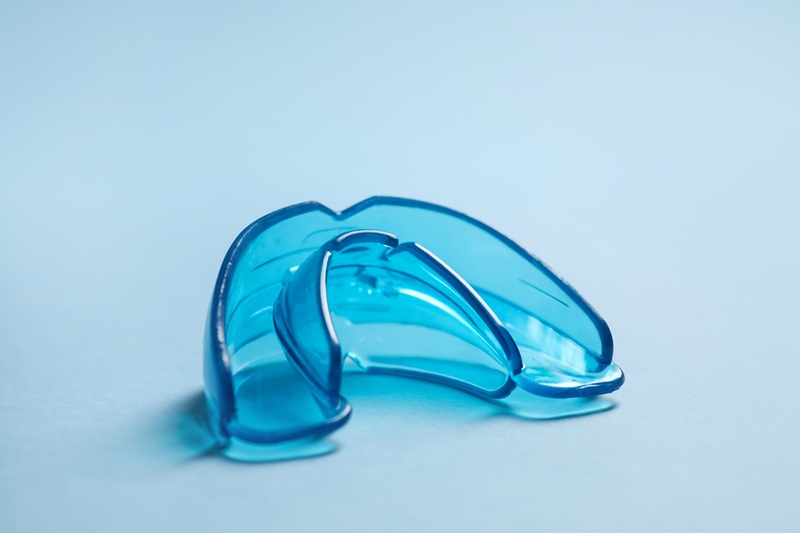
A mouthguard is a small piece of sports equipment, but it can protect against chipped, broken, or knocked-out teeth when a young athlete takes an unexpected hit to the face. And that risk is not limited to football or other sports where mouthguards are required.
The challenge for parents is choosing a guard that provides protection without being so bulky or uncomfortable that their child stops wearing it. Stock, boil-and-bite, and professionally fitted guards can differ considerably in fit, comfort, and how well they stay in place during activity.
At Parthenon Dental, we provide custom sports mouthguards for young athletes in San Ramon. Understanding how the different options work can help you decide what level of protection makes sense for your child’s sport, age, and dental needs.
Why Fit Matters for a Youth Sports Mouthguard
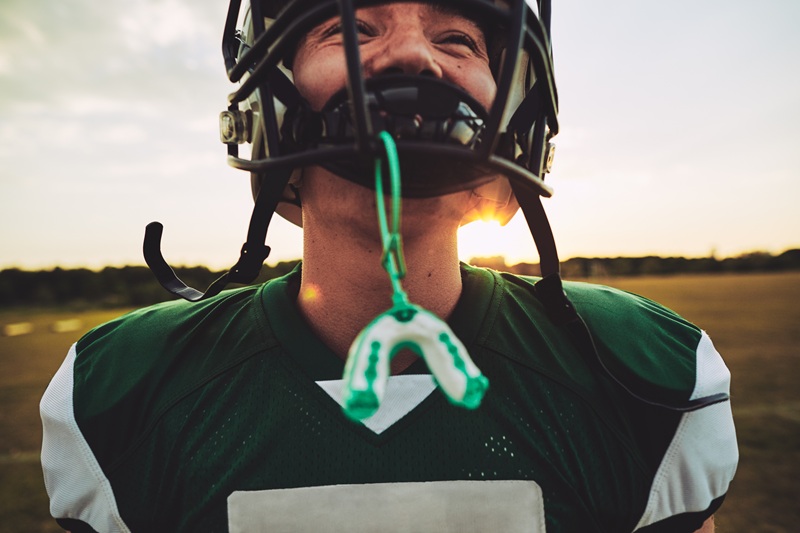
A mouthguard cannot provide much protection if your child constantly takes it out during practice or a game. Comfort and fit matter, especially for young athletes who need to breathe, communicate, and stay focused while wearing one.
Parents generally have three options: stock, boil-and-bite, and custom-fitted mouthguards. Stock guards come in predetermined sizes, while boil-and-bite guards soften in hot water so they can be molded more closely around the teeth. Both can be practical options, but the fit can vary from one child to another.
With a boil-and-bite guard, a few things can affect the fit over time:
- Improper molding can leave the guard too loose, bulky, or uneven.
- Excessive heat can distort the material and change how the guard fits.
- Changes in a child’s teeth and jaw as they grow can mean a previously comfortable guard needs to be replaced.
Whatever type you choose, your child should be able to keep the mouthguard securely in place without constantly biting down on it. If it regularly slips, causes significant discomfort, or makes your child reluctant to wear it, it may be time to reconsider the fit.
What Makes a Custom Sports Mouthguard Different?

A custom sports mouthguard is made to fit the individual athlete’s teeth rather than relying on a standard size or at-home molding. Your dentist takes an impression or scan of the teeth, which is then used to create a guard shaped specifically for that mouth.
That individualized fit offers a few practical advantages:
- More precise coverage: The guard is made around the athlete’s actual teeth rather than adapted from a predetermined shape.
- Better retention: A properly fitted guard should stay securely in place without requiring the athlete to constantly clench down on it.
- Greater comfort: A closer fit can reduce some of the bulk, shifting, and irritation that may make a child want to remove a mouthguard.
- Fit that accounts for dental needs: A dentist can consider factors such as a child’s current tooth development or orthodontic treatment when recommending a guard.
For young athletes, that last piece matters. Teeth and jaws continue to change as children grow, so a mouthguard should be checked periodically to make sure it still fits properly.
Ultimately, even a well-made mouthguard only provides protection when it is being worn. A comfortable, secure fit makes it easier for a young athlete to keep the guard in place throughout practices and games.
Which Sports Should Kids Wear a Mouthguard For?
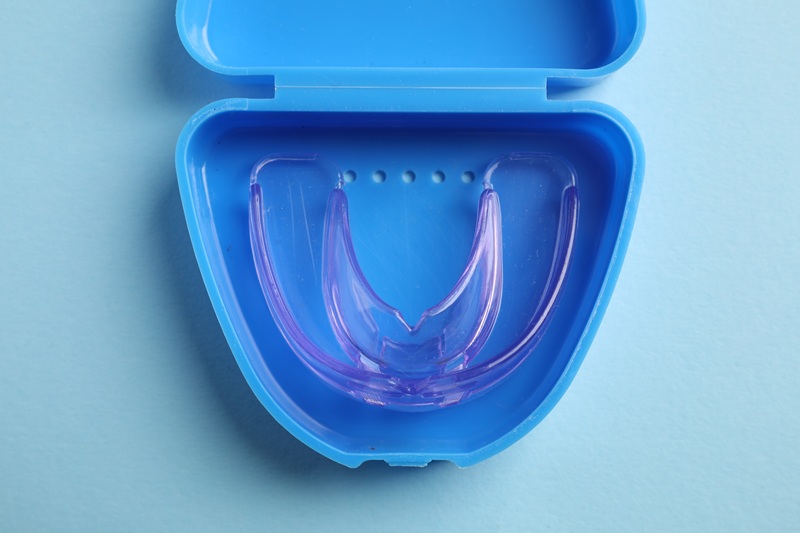
Mouthguards are required in some organized contact sports, but a sport does not have to require one for a dental injury to happen. Basketball, soccer, baseball, softball, skateboarding, and other activities can all involve falls, collisions, or contact with equipment that puts the teeth and mouth at risk.
Parents should consider a mouthguard when a sport or activity involves:
- Regular contact with other players
- A meaningful risk of falling
- Balls, sticks, bats, or other equipment moving near the face
- Accidental elbows or other contact around the mouth and jaw
That means a child may benefit from wearing a mouthguard even when their league or coach does not require one. If you are unsure whether your child’s activity warrants one, your dentist can help you consider the sport, level of contact, and your child’s individual dental needs.
Choosing a Mouthguard for a Growing Athlete
Children’s mouths change considerably as permanent teeth come in and their jaws develop. A mouthguard that fits well at the beginning of one season may eventually become uncomfortable or stop fitting securely, so parents should check the fit periodically rather than assuming the same guard will work indefinitely.
There are a few other situations that deserve extra consideration:
- Braces: Athletes with braces need a mouthguard that provides room for brackets and wires and accommodates changes during orthodontic treatment.
- Loose or erupting teeth: Younger athletes who are still losing baby teeth may need their mouthguard fit reassessed more frequently.
- Heavy use: Children who play multiple sports or compete throughout the year should have their guard checked for tears, distortion, or other signs of wear.
- Cleaning and storage: Mouthguards should be cleaned regularly, allowed to dry, and stored in a protective container according to the manufacturer’s or dentist’s instructions.
For San Ramon families already bringing their children in for routine dental care, mouthguard fit is also something worth discussing with a pediatric dentist. Your dentist can look at your child’s stage of dental development and help determine whether an existing guard still fits or whether it is time for a replacement.
When Should You Replace a Child’s Mouthguard?
A youth mouthguard should be checked regularly rather than automatically reused from season to season. Children are still growing, and changes in their teeth or orthodontic treatment can affect how securely a guard fits.
It may be time for a replacement if the mouthguard:
- Feels noticeably tighter or looser than it did before
- No longer stays securely over the teeth
- Has tears, cracks, rough edges, or areas that have been chewed through
- Causes new discomfort or irritation
- No longer fits after changes in braces or other orthodontic appliances
Even without obvious damage, bring the mouthguard to your child’s regular dental appointments. A dentist can check the fit as your child’s teeth develop and let you know when continued use no longer makes sense.
For children who play sports throughout the year, these checks are especially useful because their mouthguard may see considerably more wear than one used for a single season.
Protect Your Child’s Smile Before the Season Starts
A mouthguard cannot prevent every sports injury, but it can help protect your child’s teeth when an unexpected fall, collision, or hit to the face happens. The most important part is choosing one that fits properly and that your child will consistently wear.
As children grow, that fit can change. Checking the mouthguard at the beginning of a new season and periodically during the year can help you catch signs that it has become too tight, too loose, damaged, or uncomfortable.
If your child plays sports and you are unsure whether their current mouthguard provides the right fit and coverage, talk with the team at Parthenon Dental. We can help you determine whether a custom sports mouthguard makes sense for your young athlete and make sure their smile is ready for the season ahead.