
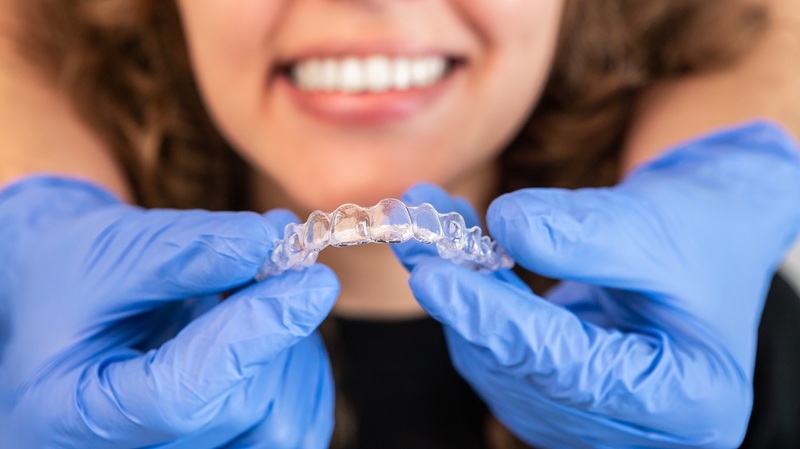
Teeth start picking up color again the moment they touch food or drink, so the real question is never whether whitening fades. It is how fast, and that answer changes considerably depending on which type of whitening was used in the first place. How long does teeth whitening last is one of the most common questions dentists hear, and the honest answer depends on concentration, method, and what happens after treatment.
How Long Does Teeth Whitening Last, Realistically
In-office whitening, which uses the strongest bleaching agents available, tends to hold up the longest, often somewhere between six months and two or three years. Take-home trays dispensed by a dentist typically last six months to a year with reasonable care. Over-the-counter strips fade fastest, usually within three to six months, since they use a lower concentration and cannot seal against the tooth the way a custom tray does.
Teeth whitening results are never truly permanent, since enamel is porous and continues absorbing pigment from everyday foods and drinks. Coffee, tea, red wine, and dark sauces are the most common culprits, along with tobacco use.
Professional vs At-Home Options
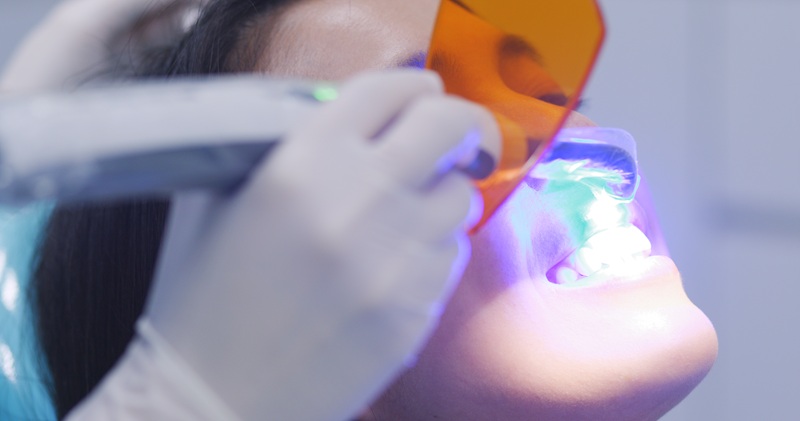
The gap between professional teeth whitening and at-home products comes down almost entirely to concentration and fit. In-office treatments generally use hydrogen peroxide gels in the range of 25 to 40 percent, applied under controlled conditions with the gums protected. Dentist-dispensed take-home trays use a gentler 10 to 22 percent carbamide peroxide, worn over one to several weeks. Drugstore strips and gels sit at the low end, typically 3 to 10 percent hydrogen peroxide, applied without any professional supervision or custom fit.
Why Professional Teeth Whitening Lasts Longer
Beyond raw concentration, a custom-fitted tray seals evenly against every tooth surface, so the gel stays in contact long enough to penetrate deeper into the enamel rather than rinsing away within minutes. Generic one-size strips cannot match that fit, which is a large part of why professional vs at-home teeth whitening results diverge so much even when patients follow instructions carefully.
What a Whitening Treatment Actually Involves
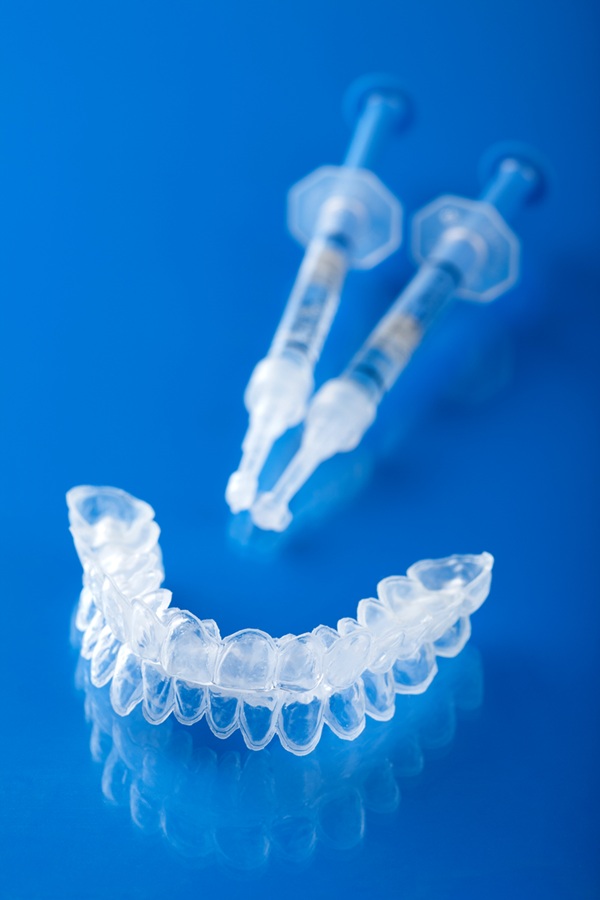
A proper teeth whitening treatment starts with an exam, not a shade chart. A dentist checks for cavities, gum health, and existing restorations before recommending a whitening plan, since whitening gel applied over an untreated cavity can cause sharp, unexpected pain. Gums are typically protected with a barrier or dam before gel is applied, and some in-office systems pair the gel with a light to speed the reaction.
Here is something most patients never think to ask about beforehand. Whitening only affects natural tooth enamel. It does nothing to crowns, veneers, bonding, or existing fillings, which means a patient with visible dental work on their front teeth can end up with a mismatched shade after whitening the surrounding natural teeth. A dentist who checks for this ahead of time can plan around it, sometimes by replacing an outdated restoration once the new shade is set rather than after the fact.
How to Make Results Last Longer
The first 48 hours after treatment matter more than any single habit afterward, since enamel is more porous and prone to staining right after bleaching. A few practical steps extend results considerably:
- Avoid coffee, tea, red wine, and dark sauces for the first 48 hours after treatment
- Use a straw for staining drinks once normal eating resumes
- Brush twice daily and floss once a day to limit surface buildup
- Rinse with water after meals rather than letting staining foods sit
Patients wondering how to make teeth whitening last longer over the following months, not just the first two days, generally get the most mileage from periodic touch-ups rather than trying to avoid every staining food indefinitely. A quick touch-up with an existing tray refreshes the shade without repeating the full treatment.
How Often Should You Whiten Your Teeth
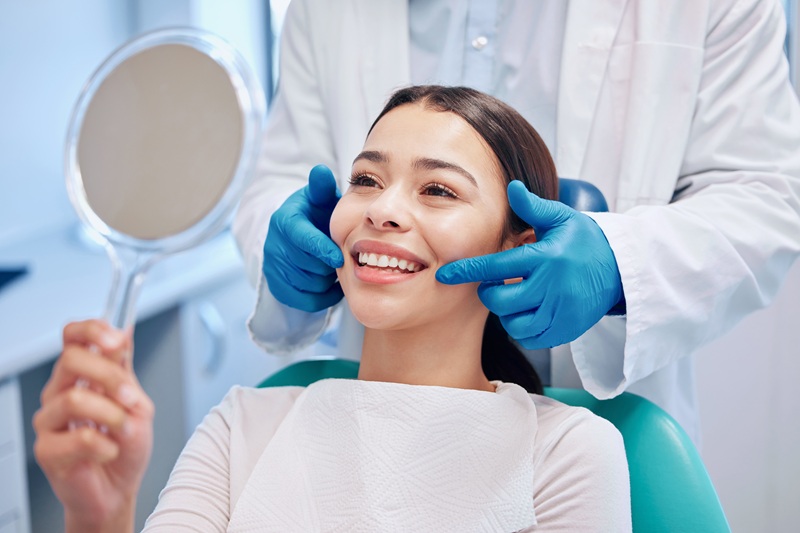
How often you should whiten your teeth depends on the method, but once a year for a professional treatment is a reasonable baseline for most patients, supplemented by occasional touch-ups using a take-home tray. Whitening more frequently than that raises the odds of temporary sensitivity without necessarily producing a noticeably whiter result, since enamel can only lighten so far before further bleaching offers diminishing returns.
According to the American Dental Association, temporary tooth sensitivity and gum irritation are the most common side effects of whitening, and both are generally mild and resolve on their own. Spacing out treatments, rather than whitening back to back, is one of the simplest ways to avoid this altogether.
Before and After: What to Expect
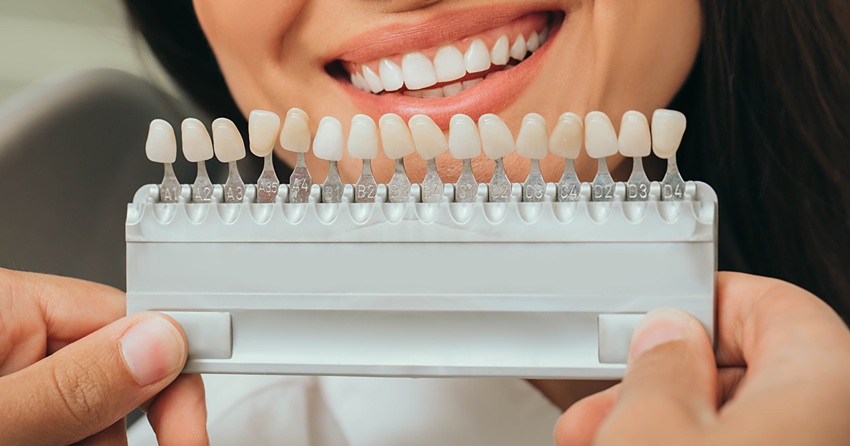
Teeth whitening before and after comparisons can be misleading if the starting shade and lighting are not accounted for. A dentist typically records a baseline shade using a standardized guide before treatment, then compares against that same guide afterward rather than relying on a photo alone. Most patients see a change of several shades with a single in-office treatment, though results vary depending on the original cause of discoloration. Staining from coffee or tobacco tends to respond well. Discoloration caused by certain medications or old trauma to a tooth often responds more slowly, or not at all, which a dentist can usually predict before treatment begins.
Maintaining Results Long-Term
Maintaining teeth whitening results over months and years comes down to a short list of habits rather than any single trick. Routine cleanings every six months remove surface buildup that dulls a bright shade over time, even between whitening sessions. Keeping a take-home tray on hand, even after an in-office treatment, gives patients an easy way to touch up gradually fading results without booking another full appointment. Patients considering a more complete cosmetic plan sometimes pair whitening with other treatments, and can learn more about teeth whitening options suited to their specific staining and goals.
Whitening is one of the more forgiving cosmetic treatments in dentistry, since results can be refreshed rather than redone from scratch. A tray that was custom-fitted once continues to work for touch-ups years later, provided the gel itself is replaced periodically. That makes the ongoing cost of maintaining a bright smile considerably lower than the upfront cost of the first treatment.
What separates a whitening result that lasts from one that fades quickly usually is not the method itself, but what happens in the weeks and months afterward. A strong initial treatment paired with a few consistent habits holds its shade far longer than an identical treatment followed by heavy coffee, wine, or tobacco use. Understanding that tradeoff ahead of time makes it easier to set a realistic maintenance routine rather than being surprised months later.
Schedule an appointment to find out which whitening approach fits your teeth, your goals, and how long you want the results to last.