Repair, Reshape, and Refresh Your Smile in a Single Visit
Not every cosmetic concern requires a major procedure. Some of the most noticeable improvements to a smile come from a single visit and a skilled hand with composite resin.
Cosmetic dental bonding is one of the most versatile services in cosmetic dentistry. It can repair a chipped tooth, close a gap, cover a stain, or reshape a tooth that is slightly uneven. The material bonds directly to the tooth surface. No lab work is needed. In most cases, the entire procedure takes less than an hour.
At Parthenon Dental, we provide cosmetic tooth bonding for each patient in San Ramon, CA who wants a conservative, affordable way to improve their smile. We approach each case with an eye for detail and a commitment to results that look natural, not artificial.
What Is Cosmetic Dental Bonding?
Cosmetic dental bonding is a dentistry bonding procedure in which a tooth-colored resin material is applied directly to a tooth and shaped to correct an imperfection. The resin is carefully color-matched to blend with surrounding teeth. It is hardened with a curing light and then polished to a smooth, natural-looking finish.
The term “bonding” refers to how the material attaches. The resin bonds chemically and mechanically to the tooth surface. No crowns, no veneers, no lab fabrication. The work is done chairside, start to finish, in a single appointment.
This procedure is distinct from restorative filling work, which uses similar tooth-colored material to treat decay. The cosmetic version focuses on appearance. It addresses the visible surface of teeth that are structurally healthy but aesthetically imperfect.
What Cosmetic Dental Bonding Can Fix
This treatment addresses a wide range of cosmetic concerns. It works best when the underlying tooth is healthy and the area being improved is on or near the visible surface.
Common uses for teeth bonding include:
- Repairing chipped teeth or cracked enamel
- Closing a small gap between teeth
- Covering a discolored tooth that whitening cannot reach
- Reshaping a tooth that is too short, slightly irregular, or pointed
- Lengthening a tooth worn down over time
- Protecting an exposed tooth root where gum recession has occurred
- Improving the appearance of a single tooth that stands out from the rest
The treatment works well on its own for isolated concerns. It is also a frequent component of a broader smile makeover plan when several smaller improvements are part of the overall goal.
Is Dental Bonding Right for You?
This is a good option for any patient who has one or a few specific concerns they want to address conservatively. It is particularly well-suited when:
- The concern is minor to moderate in scope
- The tooth is structurally intact and healthy
- You want a quick result without significant preparation
- You are looking for affordable cosmetic dentistry services
- You prefer to preserve as much natural tooth structure as possible
The procedure does have limitations. The resin material is not as strong or as stain-resistant as porcelain. For patients with more extensive concerns, larger surface areas to cover, or high bite forces on the affected tooth, porcelain veneers may be a better long-term solution.
At your consultation, your dentist will assess your teeth, explain your options clearly, and give you an honest recommendation. The goal is always to match the right treatment to the specific concern.
Bonding Veneers and Other Alternatives
Patients often ask about the difference between dental bonding and veneers. Both improve the appearance of teeth. They serve different needs and have different tradeoffs. Dental bonding is often the right alternative when the concern is isolated and the budget is a factor.
Composite Bonding
- Completed in a single visit
- No tooth reduction required in most cases
- More affordable upfront
- Ideal for smaller repairs and isolated concerns
- May need touching up or replacement after five to eight years
- More susceptible to staining over time than porcelain
Porcelain Teeth Veneers
- Requires two visits and lab fabrication time
- Involves minimal preparation of the tooth surface
- More durable and stain-resistant than resin material
- Better suited for more extensive changes or multiple teeth
- Lasts ten to twenty years with proper care
- Higher upfront investment
For patients replacing missing teeth, dental bridges or implants may be worth discussing alongside these options. We cover all of this at your consultation so the plan reflects your specific situation.
The Cosmetic Dental Bonding Procedure
One of the most appealing aspects of cosmetic bonding is how straightforward the experience is. Here is what to expect.
No Preparation Needed in Most Cases
For most bonding procedures, anesthesia is not required. The natural tooth surface does not need to be reduced or shaped beforehand. This makes bonding one of the most conservative cosmetic procedures available.
If the bonding is being placed over a decayed area or very close to a nerve, a local anesthetic may be used. We let you know in advance if that is the case.
Shade Selection
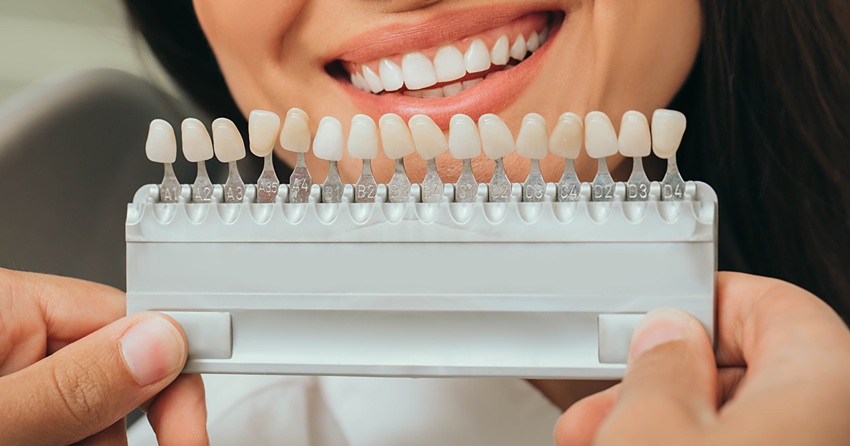
Our dentist selects a composite resin shade that closely matches your surrounding teeth. This step matters. The bonding should be visible as an improvement, not as a patch. We take time with the color match to ensure the result integrates naturally with the rest of your smile.
Application and Shaping
The tooth surface is lightly conditioned to help the resin adhere. The composite is applied in layers and shaped precisely to achieve the intended contour or repair. Our dentist works carefully at each stage. Cosmetic bonding requires both technical skill and a sense of proportion and aesthetics.
Curing and Polishing

A curing light hardens the resin once the shape is set. The bonded area is then polished to smooth any rough edges and bring the surface to a natural sheen. The finished result should feel smooth to the tongue and blend visually with your other teeth.
Same-Day Results
The entire process typically takes thirty to sixty minutes per tooth. You leave the appointment with the improvement in place. There is no waiting period, no temporary restoration, and no follow-up visit needed to seat a final piece.
Caring for Bonded Teeth
Composite resin is durable, but it requires some care to stay looking its best.
- Brush gently with a non-abrasive toothpaste. Abrasive toothpastes can dull the surface of composite resin over time.
- Avoid biting directly on hard objects such as ice, pen caps, or fingernails. Bonding can chip under sharp direct force.
- Limit staining foods and beverages, particularly in the first 48 hours after placement. Coffee, tea, and red wine can discolor composite resin more readily than natural enamel.
- If you grind your teeth at night, let us know. A night guard protects bonding from the force of bruxism and extends its lifespan considerably.
- Visit our office for regular cleanings and checkups. We examine bonded areas at each visit to monitor their condition and polish them professionally.
With good home care and regular visits, cosmetic dental bonding typically lasts five to eight years before any touching up is needed. Some patients go longer. It depends on where the bonding is placed and how much bite force that area receives.
Frequently Asked Questions About Cosmetic Dental Bonding
How much does cosmetic dental bonding cost in San Ramon?
The cost depends on how many teeth are being treated and the extent of the work on each tooth. Bonding is generally one of the most affordable cosmetic dentistry options available. We provide a clear written estimate at your consultation before any treatment begins. Some bonding procedures that address structural damage may be partially covered by dental insurance. We review your benefits with you in advance.
Does dental bonding hurt?
In most cases, no. Bonding does not require drilling or tooth reduction, so anesthesia is usually not needed. Patients find the procedure comfortable. If the work involves a sensitive area near the gumline or an area of decay, a light anesthetic may be used for comfort.
Can dental bonding fix a chipped front tooth?
Yes. Chipped front teeth are one of the most common reasons patients come in for cosmetic tooth bonding. The composite resin is matched to your tooth shade and built up to restore the natural shape of the chipped area. Results are typically visible immediately and blend well with the surrounding tooth.
How long does cosmetic dental bonding last?
Most cosmetic bonding lasts five to eight years before any touch-up or replacement is needed. Longevity depends on the location of the bonding, your bite, and your home care habits. Bonding on back teeth that absorb heavy chewing forces tends to wear faster than bonding on front teeth used mainly for biting.
Can bonding be used on multiple teeth at once?
Yes. Multiple teeth can be bonded in the same appointment. If you have several minor concerns across different teeth, bonding can address them all in a single visit. For more extensive changes across many teeth, we may discuss whether a combination of bonding and other treatments, such as veneers, would produce a better long-term result.
Does cosmetic bonding stain?
Composite resin can pick up staining from coffee, tea, wine, and tobacco over time. It stains more readily than natural enamel or porcelain. Limiting staining foods, especially in the first 48 hours after placement, helps preserve the color. Professional polishing at your regular cleaning appointments also helps keep bonded surfaces looking fresh.
Is dental bonding reversible?
Yes. Because bonding does not require removing tooth structure in most cases, it is considered a reversible procedure. The composite resin can be removed or modified later if you decide to pursue a different treatment, such as veneers. This makes bonding a good starting point for patients who want to try a cosmetic improvement before committing to something more permanent.
Schedule a Cosmetic Dental Bonding Consultation in San Ramon, CA
If you have a chip, gap, stain, or irregularity that has been bothering you, cosmetic dental bonding may be the simplest path to a result you will actually notice.
Parthenon Dental provides cosmetic dental bonding for patients in San Ramon, CA and surrounding communities including Dublin, Danville, and Pleasanton. Our skilled dental team takes the time to evaluate your teeth carefully and give you an honest recommendation about whether bonding is the right fit or whether another treatment would serve you better.

 925-718-8483