
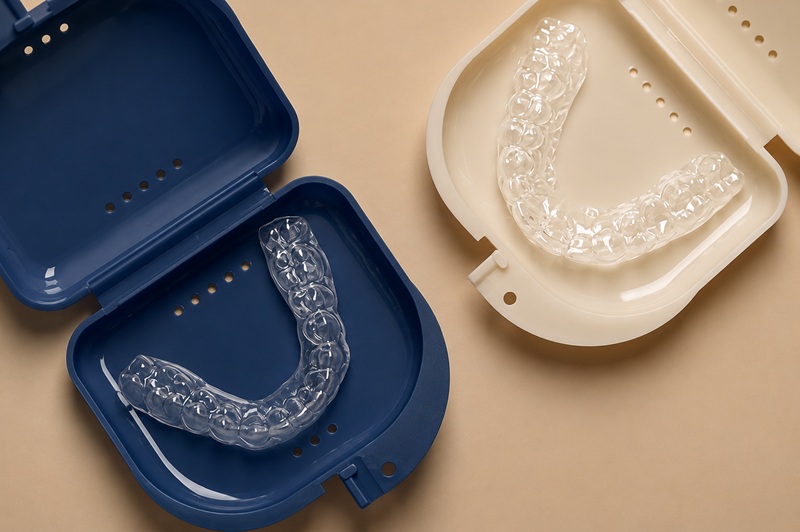
Clear aligners work across a wide range of patients, from teens in high school to adults well into their 50s and beyond. What actually determines whether someone is a good candidate has more to do with lifestyle, commitment, and the specifics of their teeth than their age. This post walks through how Invisalign fits different life stages, what makes each a strong or more complicated candidate, and what to think about before starting treatment.
Why Chronological Age Is Not the Whole Story
When patients search for the right age for clear aligners, they are usually asking a deeper question: Am I a good candidate? Age is one piece of that picture, but not the only one. Invisalign eligibility depends on a combination of factors that vary from person to person.
The factors that matter most:
- Whether all permanent teeth have come in
- How complex the alignment issue is
- Whether the patient can commit to wearing aligners 20 to 22 hours per day
- Lifestyle factors like diet, travel, and daily routine
- Overall oral health, including gum health
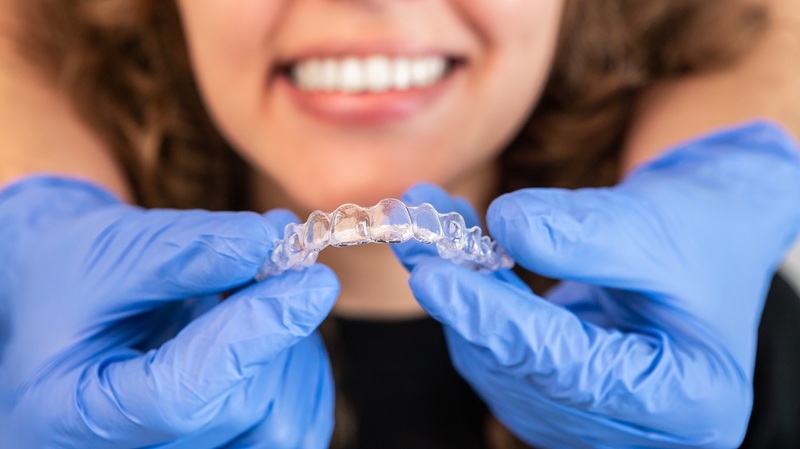
A motivated 16-year-old and a motivated 45-year-old may both be excellent candidates. An unmotivated patient at any age is a more complicated conversation. That is why a thorough exam and honest assessment of daily habits matter more than a quick age-based answer.
Teens and Younger Patients: What Makes It Work
Teens are among the most common Invisalign patients, and for good reason. The early teenage years are when many alignment issues become fully visible, and treating them sooner tends to produce faster results because jaw development is still underway. For younger children, early orthodontic evaluation can identify whether a child is approaching a window where treatment makes sense.
Invisalign for teens differs from the standard adult version in one practical way: teen aligners include small blue compliance indicators that fade with wear, giving parents and dentists a way to track whether the trays are actually being worn. According to Invisalign, aligners need to be worn 20 to 22 hours a day for treatment to stay on schedule. That number does not change based on age.
When younger patients are strong candidates
A teen is typically ready when their permanent teeth have fully erupted, they are mature enough to be responsible with the aligners, and they are motivated by the outcome. A young patient who wants straighter teeth for their own reasons tends to do much better than one who feels pushed into it.
When to wait or consider alternatives
If a younger patient still has several baby teeth remaining or significant jaw development ahead, waiting is usually the smarter call. Some complex bite issues in teens also respond better to traditional braces at this stage. A good provider will be honest about which path fits best, even if it is not Invisalign.
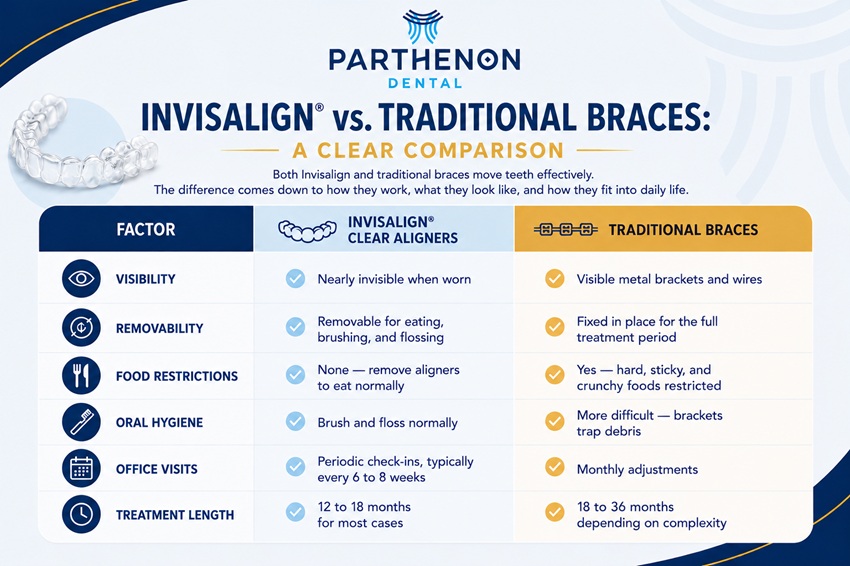
Invisalign for Adults: No Age Ceiling
Adults make up a significant and growing share of Invisalign patients. Many had braces as teenagers and experienced some relapse, or never had orthodontic treatment and are finally addressing alignment issues they have lived with for years.
Invisalign works just as well for adults as it does for younger patients in most cases. Bone density and jaw development are fully established by adulthood, which makes treatment timelines more predictable. There is no upper age limit.
What makes adults particularly good candidates
Adults tend to have one clear advantage over teenagers: self-motivation. When an adult decides to start Invisalign, they have usually thought it through. They understand the commitment and are ready to make it. That consistency with wear time is one of the biggest drivers of a successful outcome.
Adults also appreciate the discreet nature of clear aligners. Whether you are presenting at work near Bishop Ranch or attending a social event in San Ramon, clear trays are far less visible than traditional brackets and wires.

Things to address before starting as an adult
Gum health becomes more relevant with age. Before starting treatment, any active gum disease or significant decay needs to be resolved first. Aligners fit over the teeth and can trap bacteria if underlying issues are not addressed. This is not a reason to avoid treatment — it is a sequencing step that a thorough exam will catch.
Clear Aligners for Older Adults: Still a Strong Option
Patients in their 50s, 60s, and beyond ask about treatment more often than many people expect. Teeth shift throughout life, and patients who have had straight teeth for decades sometimes notice crowding or spacing developing over time. Others are finally making their smile a priority after years of putting it off.
There is no age that closes the door on orthodontic treatment. What matters is the overall health of the teeth and gums, and whether bone density and tooth structure can support the gradual movement that aligners create. Most older adults who are in good oral health are candidates worth evaluating.
Considerations specific to older patients
Older patients may have more dental work in place, such as crowns, bridges, or implants. Invisalign can work around many of these, but it is worth discussing openly during a consultation. Gum recession and bone loss, if present, also factor into the treatment plan. Neither is an automatic disqualifier, but each shapes the approach.
Some older patients find the aligner discipline easier than younger patients do, precisely because they have the patience and self-awareness that come with experience. Consistency with wear time is one of the most reliable predictors of a good outcome, and that tends to strengthen as patients mature.
A More Useful Framework Than Age
Rather than focusing on a number, here is a more practical way to think about readiness at any life stage.
Dental development
All permanent teeth should be fully erupted before starting treatment.
Oral health baseline
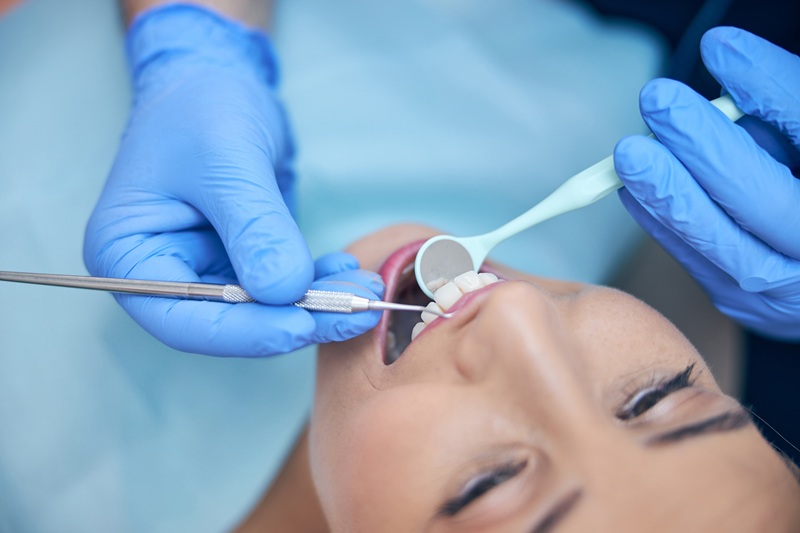
Active gum disease and decay should be treated before aligners go in.
Commitment level
Aligners must be worn 20 to 22 hours daily. Patients who treat this as non-negotiable get the best results.
Complexity of the case
Mild to moderate alignment issues are well-suited for clear aligners. Severe cases may need a different approach, and a good provider will tell you that honestly.
Lifestyle fit
Travel, diet, and daily habits all affect how smoothly treatment goes. These are worth thinking through before starting.
Motivation
Patients who want the outcome for their own reasons consistently have better results, at every age.
A study published in the Journal of Clinical Orthodontics found that patient compliance with aligner wear time is one of the strongest predictors of treatment success, independent of age. That finding holds across all age groups and makes the case that motivation matters more than the number on your driver’s license.
Is Now the Right Time for You?
The confidence that comes from a straighter smile shows up in ways patients often do not anticipate — how freely they laugh, how they carry themselves in a room, how willing they are to engage. It is not a vanity issue. It is something patients across all ages describe after treatment.
If you have been putting this off because you thought you were too old, too busy, or not sure whether your teeth qualify, the answer is almost always more encouraging than people expect. You can learn more about how we approach Invisalign at our San Ramon office or reach out to schedule a consultation when you are ready.