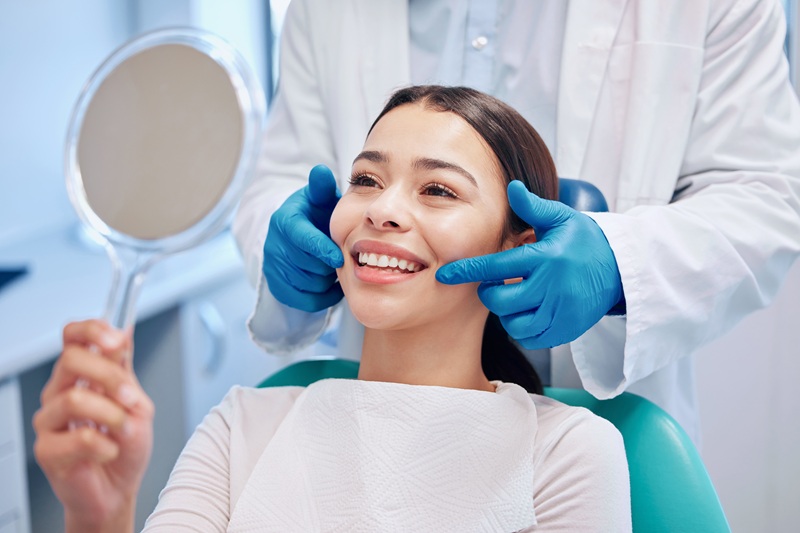
White teeth get most of the attention, but they are rarely what a dentist notices first. A healthy smile has more to do with gum color, tissue texture, and how teeth fit together than with shade alone. Someone with slightly yellowed but well-cared-for teeth can have a healthier mouth than someone with a bright white smile and inflamed gums underneath it.
That distinction matters, because a lot of the advice aimed at improving a smile focuses entirely on whitening, when whiteness is really just one visible marker among several.
What Makes a Healthy Smile, According to a Dentist
Ask a dentist what makes a healthy smile and the answer usually starts with the gums, not the teeth. Healthy gum tissue is firm, pale pink, and fits snugly around each tooth without bleeding during brushing or flossing. Teeth themselves should sit without visible plaque buildup, without obvious decay, and without excessive wear on the biting surfaces.
A few other markers matter just as much, even though patients rarely think to look for them:

- No persistent bad breath that toothpaste and mouthwash cannot mask
- Teeth that feel stable, without looseness or shifting
- Comfortable chewing without pain or sensitivity in specific spots
- Gums that do not bleed during normal brushing
Signs of a Healthy Smile Beyond White Teeth
Signs of a healthy smile are often easier to spot by what is absent rather than what is present. No swelling along the gumline, no chronic sensitivity to hot or cold, and no recurring canker sores or mouth sores are all quiet indicators that things are working the way they should. A smile does not need to be perfectly symmetrical or uniformly white to be considered healthy in any clinical sense.
Healthy Teeth and Gums: What a Dentist Actually Checks
During a routine exam, a dentist is measuring things a mirror cannot show. Probing depths around each tooth reveal whether gum tissue is still tightly attached or starting to pull away, which is one of the earliest signs of gum disease. X-rays show bone levels beneath the gumline long before any visible symptom would appear. Healthy teeth and gums from a clinical standpoint mean stable bone support, no active decay, and gum pockets shallow enough to clean effectively at home.
This is the piece most patients never think to ask about. A bright, white smile with bleeding gums is often a bigger red flag to a dentist than a duller smile with tight, healthy tissue. Whitening treats the enamel’s surface. It does nothing for the tissue underneath, which is where most serious problems actually start.
Common Habits That Undermine a Healthy Smile
Certain everyday habits quietly work against oral health without producing symptoms right away. Brushing too hard, particularly with a hard-bristled brush, wears down enamel and pushes gum tissue back over time rather than cleaning more effectively. Skipping floss misses roughly a third of each tooth’s surface, the part between teeth where a brush cannot reach.
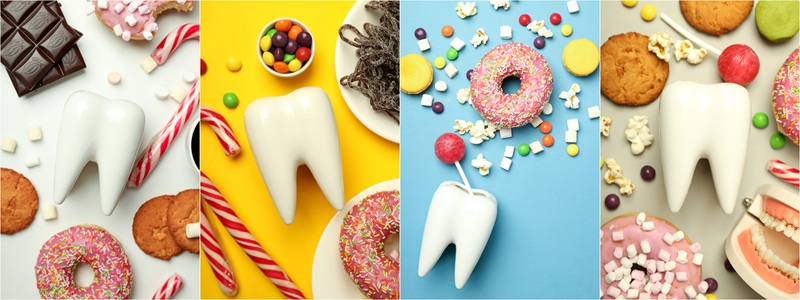
Frequent snacking, even on foods that seem harmless, keeps the mouth in a mildly acidic state for hours longer than three defined meals would. Sipping sugary or acidic drinks slowly throughout the day has a similar effect, extending the window bacteria have to produce the acid that erodes enamel.
Healthy Smile Habits That Make the Biggest Difference
A handful of healthy smile habits account for most of the difference between a mouth that stays healthy and one that develops problems over the years:

- Brushing twice daily with a soft-bristled brush, held at a slight angle toward the gumline
- Flossing once a day to clean between teeth where a brush cannot reach
- Limiting how often the mouth is exposed to sugar and acid throughout the day
- Scheduling a professional cleaning and exam roughly every six months
- Replacing a toothbrush every three months or sooner if bristles fray
None of these habits are complicated, which is part of why they are easy to let slip. Consistency matters more than intensity. Brushing for two minutes twice a day beats an occasional five-minute session aimed at making up for missed days.
How to Improve Your Smile Naturally
Patients searching for how to improve your smile naturally often expect a list of home remedies, but the most reliable approach is less exotic than that. Staying hydrated supports saliva production, and saliva is the mouth’s natural defense against acid and bacteria. Crunchy vegetables like carrots and celery help scrub away surface plaque during chewing, though they are a supplement to brushing, not a replacement for it.
Some viral trends involving charcoal powder, baking soda scrubs, or lemon juice rinses can do more harm than good, since several of these are abrasive or acidic enough to wear down enamel with repeated use. A dentist is generally the better source for whitening advice that will not damage the tooth surface in the process.
Oral Health and a Healthy Smile: The Whole-Body Connection
The link between oral health and a healthy smile extends further than most people assume. According to data compiled from CDC research, roughly 47 percent of adults over age 30 have some form of gum disease, and the rate climbs substantially with age. Gum disease has also been associated with other health conditions, including cardiovascular issues and difficulty managing blood sugar, which is part of why dentists treat gum health as more than a cosmetic concern.
This connection is one reason routine cleanings matter even for patients who feel their mouth is in good shape. Early gum disease, known as gingivitis, often produces no pain at all. It is picked up during a professional cleaning long before a patient would notice anything on their own.
Dental Care for a Healthy Smile at Every Age
What counts as good dental care for a healthy smile shifts somewhat across a lifetime. Children benefit most from building consistent brushing habits early and protecting new molars, often with the help of dental sealants once permanent teeth erupt. Adults in their thirties and forties are at higher risk for early gum disease, which makes consistent flossing and biannual checkups more important than ever. Older adults often deal with naturally receding gum tissue and existing restorations like crowns or fillings, which need regular monitoring to catch wear before it becomes a bigger issue.
A healthy smile is less about following a single rule perfectly and more about staying consistent with several smaller habits over time. Brushing technique, flossing frequency, diet, and regular checkups all contribute in different ways, and none of them fully compensates for neglecting the others.
What often gets missed is that a healthy smile does not need to look flawless to be functioning well. Slight color variation, minor gaps, or a tooth that is not perfectly aligned do not indicate a problem on their own. The signals that actually matter, gum tenderness, bleeding, persistent bad breath, or looseness, are worth paying attention to far more than shade or symmetry.
Schedule a checkup to get a clear picture of where your own smile actually stands.