
Hearing the word “implant” attached to any dental procedure can make the process feel intimidating before you ever step into the office. Many patients picture a long, painful experience and assume implant-supported dentures will be difficult to get through. In reality, most people are surprised by how manageable the process feels once they understand what to expect and have the right dental team guiding them through it.
Modern implant dentistry is designed around patient comfort. Careful planning, local anesthesia, sedation options, and a step-by-step treatment approach all help make the procedure far more comfortable than patients often imagine beforehand. While some soreness and recovery time are normal, implant-supported dentures are not meant to be an overwhelming experience. For many patients, the improvement in comfort, stability, and confidence after treatment outweighs the temporary healing process that comes with it.
What Happens During Placement
Implant-supported restorations require placing titanium posts into the jawbone, which serve as anchors for the overlying denture. That part sounds more intense than it feels. The procedure is done under local anesthesia, and sedation options are available for anyone who wants additional comfort.
During placement, the area is fully numb. Most patients report feeling pressure but not pain. The posts are set, the site is sutured, and you go home to begin healing. The denture attaches later, once the implants have integrated with the bone through a process called osseointegration, which typically takes a few months.

If dental anxiety is a concern
Dental anxiety is more common than most people admit, and there is no judgment in asking for help with it. If the idea of being awake during oral surgery makes you anxious, that conversation is worth having before your appointment. Options like nitrous oxide or oral sedation can make the experience significantly more comfortable. A good dentist takes that conversation seriously rather than brushing it aside.
What Recovery Actually Looks Like
Moderate discomfort in the first few days after surgery is normal and expected. Here is a realistic picture of what the first week typically involves:
- Mild to moderate soreness at the implant sites, manageable with over-the-counter pain relievers in most cases
- Some puffiness, which can be reduced with ice packs in the first 24 hours
- A soft food diet for the first week or two
- Mild fatigue, particularly if multiple implants were placed in one visit
- Possible minor bleeding at the surgical sites on the first day or two
Prescription medication is available if needed, but many patients find they do not need it beyond the first couple of days. Most return to normal activity within a few days, though strenuous exercise is typically held off for about a week.
When to pay attention during recovery
Most discomfort during healing is expected and manageable. A few things are worth contacting your dentist about: pain that does not improve after day three, significant bleeding that does not slow down, or increasing puffiness, fever, or discharge from the site. Knowing the difference between normal healing and something that needs attention takes a lot of anxiety out of the recovery period.
How Implant-Supported Dentures Compare to Traditional Ones
This comparison often changes how people think about the discomfort question. Traditional dentures do not involve surgery, so there is no upfront soreness. But the long-term experience is a different story.
Traditional dentures rest on the gum tissue and rely on suction or adhesive to stay in place. Over time, the jawbone beneath them shrinks because there is no implant root to stimulate it. That bone loss changes the fit, which leads to slipping, gum irritation, and sore spots that need ongoing adjustments. For many patients, the long-term discomfort of traditional dentures accumulates gradually in ways that never fully resolve.
Implant-supported restorations work differently at each stage:
- Upfront discomfort: Temporary soreness from implant placement, typically resolving within a week
- Long-term comfort: Stable fit with no slipping or adhesive needed once healed
- Bone health: Implants preserve jawbone structure by stimulating it the way natural roots do
- Gum irritation: Significantly reduced once the healing period is complete
- Eating confidence: A much broader range of foods is possible without restriction or worry
According to the American Dental Association, dental implants have a long-term success rate of over 95% and are considered the gold standard for tooth replacement. That track record matters when you are weighing short-term recovery against long-term quality of life.
What Usually Surprises People Most
The most common thing patients say after placement is that it was easier than they expected. The anticipation is often harder than the procedure itself. Once the numbness wears off and they settle into the first evening, most find the discomfort is well within what they were prepared to handle.
The second most common surprise is how different daily life feels once the implants are fully integrated. Eating without worrying about slippage, speaking without adjusting, and smiling without self-consciousness tend to have an effect that patients describe as genuinely meaningful. Those outcomes are worth weighing when you are deciding whether the recovery period is worth it.
The Healing Timeline in Plain Terms
Here is what most patients can expect across the full treatment timeline:
- Implant placement: Done under local anesthesia. Soreness and puffiness for several days, improving steadily.
- Osseointegration period: Two to six months, depending on bone density and the number of implants placed. A temporary restoration is typically worn during this phase, and most patients continue their normal lives with it.
- Abutment placement: A short follow-up visit to attach the connector piece. Minor soreness for a few days.
- Final denture attachment: The permanent restoration snaps or screws into place. No significant recovery is needed beyond this point.
The osseointegration period is the part that catches people off guard most often, not because it is difficult, but because it requires patience. It is not a painful phase.
Managing Discomfort at Each Stage
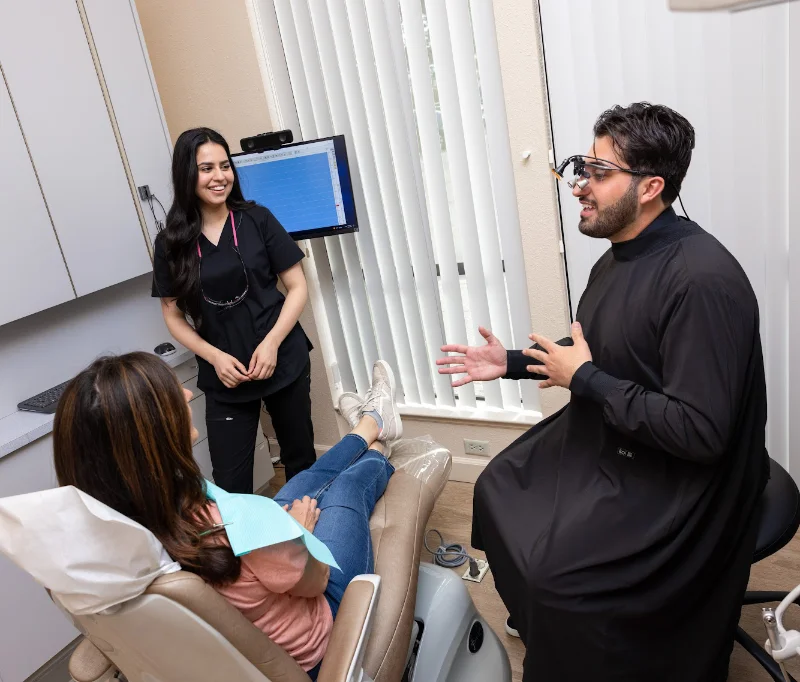
Nobody should feel like they have to get through oral surgery or recovery without support. Before your appointment, the conversation with your dentist might cover pre-surgical anxiety management, what sedation level makes sense for you, and what to expect from the first 24 hours. After placement, you should leave with clear guidance on discomfort management, diet, activity restrictions, and what to watch for.
A few questions worth raising before your appointment:
- What sedation options are available, and which would you recommend for my situation?
- How many implants would I need, and does that affect recovery?
- What does discomfort management look like after placement?
- How long before I am back to eating and functioning normally?
- What should I watch for during recovery that would prompt me to call?
A dentist who welcomes those questions and answers them specifically is one worth trusting. If you have been wondering whether implant-supported dentures are the right path, or if concerns have been keeping you on the fence, the most useful next step is a straightforward conversation. You can schedule a consultation when you are ready, and we will walk through your specific situation honestly.