A smile is often the first thing people notice about someone and the first thing that person feels self-conscious about. According to a national survey conducted for the American Academy of Cosmetic Dentistry, 48 percent of Americans say a smile is the single most memorable feature after meeting someone, ahead of what they said or how they were dressed. That is a lot of weight resting on something many people feel they cannot control.
A smile makeover exists precisely because that feeling is fixable. It is worth understanding what the process actually looks like before assuming it means a full mouth of veneers or a five-figure bill.
What Is a Smile Makeover, Exactly?

A cosmetic smile makeover is not a single treatment. It is a coordinated plan that combines two or more procedures to address the specific things bothering a patient about their smile, whether that is discoloration, chips, gaps, crowding, or a combination of all four. Two people asking about a dental smile makeover can walk away with completely different treatment plans, because the term describes an approach rather than a fixed procedure.
Some patients only need whitening paired with bonding on a chipped tooth. Others benefit from veneers across the front teeth, orthodontic alignment beforehand, and a bit of gum reshaping to even out the smile line. The plan follows the mouth, not the other way around.
What the Smile Makeover Process Actually Involves
Every legitimate smile makeover process starts with a full exam, not a list of desired procedures. Cavities, gum disease, or bite problems need to be addressed first, since building cosmetic work on top of an unhealthy foundation rarely holds up. Once the mouth is healthy, the cosmetic planning stage begins.
- A full exam and diagnostic photos to document the current state of the smile
- Digital imaging or a wax mock-up showing a preview of the planned result
- A discussion of which treatments will get the patient to that result
- A treatment sequence, since some procedures need to happen before others
Why the Order of Treatment Matters
Here is something patients rarely think to ask about, but it changes the outcome significantly. If a patient has slightly crowded or misaligned teeth, straightening them with clear aligners before placing veneers means less enamel needs to be removed later. Veneers built on straighter teeth also tend to look more natural, since the dentist is not trying to mask alignment problems with porcelain alone. The same logic applies to gum contouring. Evening out the gumline before veneers means the porcelain gets shaped to a finished frame, rather than needing revision later once the gum tissue settles.
Common Treatments Included in a Smile Makeover

The specific mix of smile makeover treatments depends entirely on what a patient’s teeth need, but a few procedures show up most often:
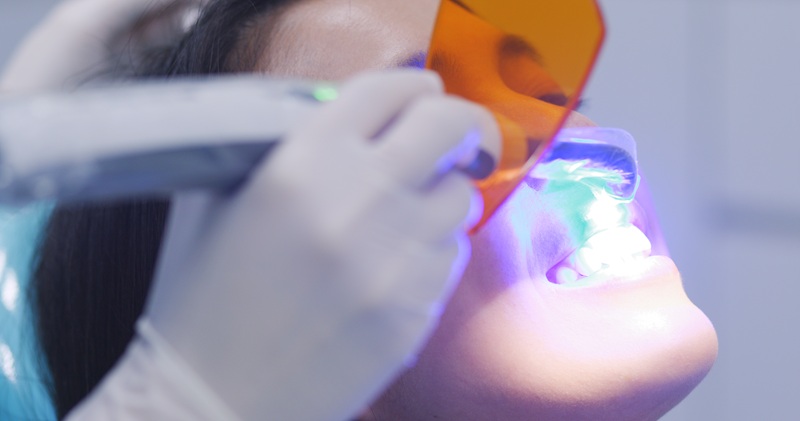
- Professional whitening to address staining that over-the-counter products cannot fully resolve
- Porcelain veneers to correct chips, gaps, or uneven tooth shape and size
- Composite bonding for smaller, more affordable fixes to individual teeth
- Crowns for teeth that are structurally compromised as well as visually uneven
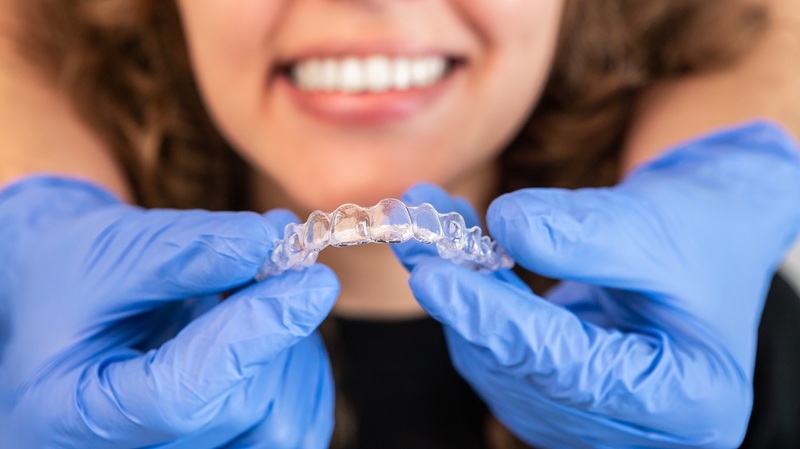
- Clear aligners to correct crowding or spacing before other cosmetic work begins
Patients interested in the most common building block of a full makeover can learn more about porcelain veneers, which are frequently paired with whitening to create a uniform, brighter result across the front teeth. For patients whose main concern is alignment rather than shape or color, Invisalign is often the first phase of a longer plan rather than a standalone treatment.
What Affects the Cost of a Smile Makeover?
The cost of a smile makeover depends entirely on your treatment plan. Some patients want to brighten their smile with professional whitening and minor bonding, while others combine veneers, crowns, orthodontics, or gum contouring to address multiple cosmetic concerns at once. The more procedures involved, the more time, planning, and materials are required.
Several factors influence the overall cost, including the number of teeth being treated, the type of restoration used, whether underlying dental issues need to be addressed first, and the complexity of your case. For example, porcelain veneers typically cost more than composite bonding because they are more durable, resist staining better, and can last for many years with proper care.
During your consultation, we will evaluate your smile, discuss your goals, and create a personalized treatment plan with a detailed cost estimate before any treatment begins. That way, you understand your options and can make an informed decision about your care.
Smile Makeover Before and After: Setting Realistic Expectations
Photos advertised as smile makeover before and after results can set expectations that do not always match reality, since lighting, angle, and selective examples all shape how dramatic a transformation looks. A well-planned makeover should look like an improved version of the patient’s own smile, not a generic set of uniformly white, identically shaped teeth. Matching veneer shape and shade to a patient’s face, lips, and skin tone is part of what separates a natural-looking result from one that reads as obviously cosmetic.
Patients considering treatment should ask to see a digital preview or mock-up specific to their own mouth rather than relying solely on a gallery of other patients’ results. A preview built from a patient’s actual scans gives a far more accurate sense of what the final result will look like on their particular smile.
Finding the Right Smile Makeover Dentist
Choosing a smile makeover dentist is less about finding someone who offers every possible procedure and more about finding someone who plans conservatively. A dentist who recommends veneers on every visible tooth regardless of the patient’s actual concerns is optimizing for a bigger case, not necessarily a better outcome. A more measured approach treats only what needs treating, preserving natural tooth structure wherever the goal can be met without it.
Experience with digital smile design tools also matters, since previewing a plan before committing to it gives patients a real say in decisions that are otherwise difficult to picture. A dentist willing to walk through that preview, explain the sequencing, and answer questions about material choices is generally a better sign than one who moves straight from consultation to a treatment quote.
A smile makeover is ultimately a series of decisions made in a particular order, not a single appointment or a fixed price tag. What looks like a dramatic transformation in a before-and-after photo is usually the result of a plan that addressed health first, sequenced treatments deliberately, and matched the final result to the patient’s own face rather than a generic ideal.
The right starting point for anyone curious about their own options is a conversation, not a commitment. A consultation with a dentist who specializes in cosmetic planning can clarify which treatments actually apply to your smile and roughly what a realistic plan would cost.
Schedule a smile consultation to see what a personalized plan could look like for your own smile.