
A tooth pain that throbs, a swollen jaw, or a strange taste in your mouth can all point to the same problem: a tooth infection. An abscess is a pocket of infection that forms inside or around a tooth. It does not go away on its own. Left alone, it tends to get worse, sometimes quickly.
Many people put off dental care, hoping the pain will ease up. Sometimes it does, at least for a while. But a reduction in pain does not mean the infection is gone. It often means the opposite. Understanding what an untreated oral abscess can do to your body is one of the most important reasons to take this problem seriously.
What Is a Dental Abscess?
A dental infection like this forms when bacteria reach the inner part of a tooth or the surrounding gum tissue. This can happen from untreated decay, a crack in the tooth, or gum disease that has progressed. The oral infection causes pus to build up, which creates pressure and pain.
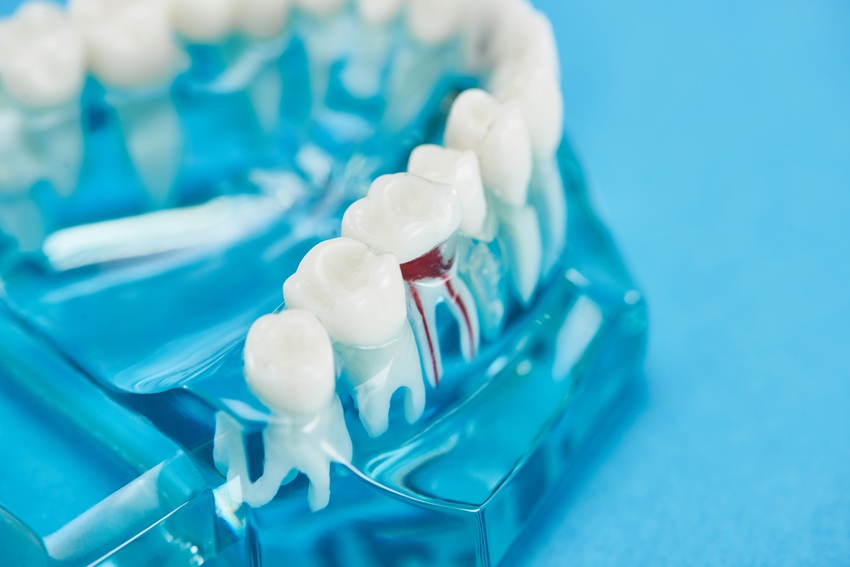
There are two common types. A periapical abscess forms at the tip of the tooth root. A periodontal abscess forms in the gum tissue next to a tooth. Both require professional care. They will not resolve or stop progressing without treatment.
Early Symptoms That Are Easy to Dismiss
The early signs of an abscess are easy to explain away. A dull ache, mild sensitivity to temperature, or slight gum tenderness can all feel manageable. People often assume it is a cavity or something minor. That is exactly when early treatment would make the biggest difference.
As the abscess symptoms develop and the infection grows, the worsening of the tooth abscess symptoms is a reliable pattern. The pain becomes more constant. It may radiate toward the jaw, ear, or neck. Infections like this rarely stay contained when left alone. These are signs that the window for simpler treatment is narrowing.
What Happens to Your Jaw and Face
One of the more visible signs of an untreated tooth abscess is jaw swelling. The face or jaw may begin to puff up noticeably on one side. This is the body’s response to an infection it cannot contain on its own. It is uncomfortable, and eventually it can make it difficult to open your mouth fully.
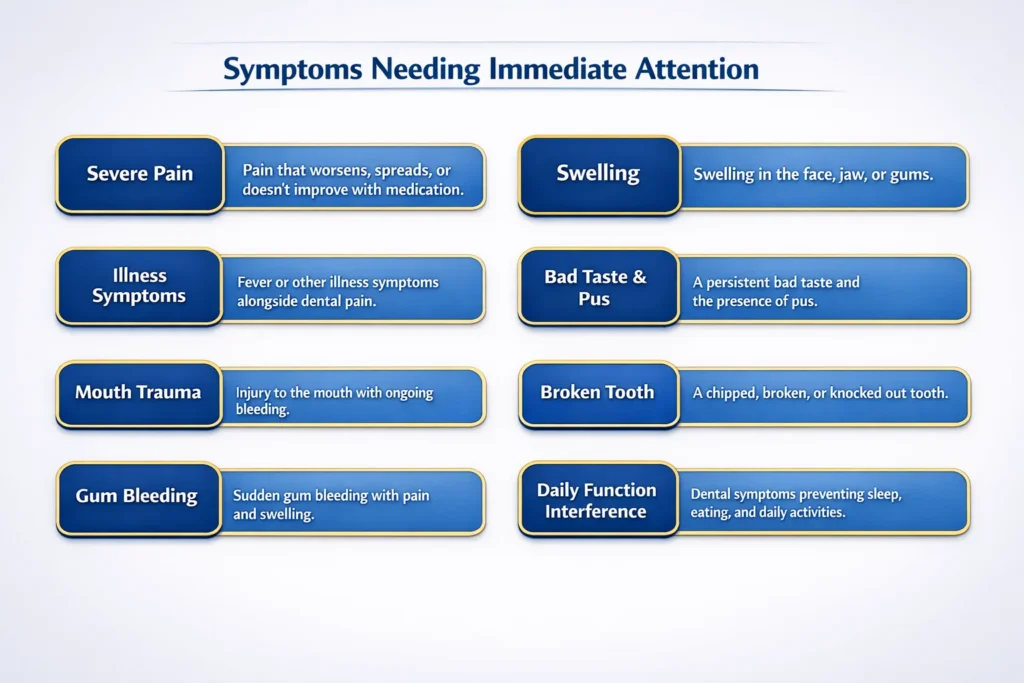
Swelling that spreads toward the throat or floor of the mouth is a more serious development. It can interfere with swallowing and breathing. This qualifies as a dental emergency. Do not wait for a scheduled appointment and seek care immediately.
How an Untreated Dental Abscess Can Spread
An abscessed tooth spreading infection beyond the mouth is one of the more serious risks that people do not always know about. A tooth infection allows bacteria to travel through tissue and bone. The infection can spread to the jaw, neck, sinuses, and in some cases, the chest cavity.
A condition called Ludwig’s angina occurs when infection spreads to the floor of the mouth. It can develop quickly and become potentially life-threatening. Sepsis, a severe systemic response to infections, is another possible outcome when bacteria enter the bloodstream. These are uncommon outcomes, but they do happen when a dental abscess is left untreated for extended periods.
Can a Tooth Abscess Be Fatal?
The question sounds extreme, but it is one people genuinely search for. Can a tooth abscess be fatal? The answer is yes, in rare cases. Deaths from dental abscesses have been documented when the infection spreads to the brain, airway, or triggers sepsis.
In the vast majority of cases, when treated promptly, they resolve without serious complications. The point is that abscessed tooth infections have consequences you should not ignore, especially when dental solutions exist to help.
Tooth Loss and Damage: What the Infection Does Over Time
Beyond the broader health risks, the tooth itself suffers. Untreated risks include permanent damage to the root, surrounding bone, and nearby teeth. The longer a dental infection exists, the more destruction it causes to the structures holding the tooth in place.
In many cases, a tooth that could have been saved with a root canal becomes unsalvageable after months of neglect. Your dentist loses options the longer the problem goes unaddressed. Extraction becomes the only path forward. The bone loss that can follow could then complicate future tooth replacement. Early care almost always preserves more choices.
When to Treat It as an Emergency
Tooth abscess emergency signs include fever, facial swelling that is spreading, difficulty swallowing or breathing, and severe pain that is not responding to over-the-counter medication. Any of these symptoms warrants same-day attention. Do not wait to see if things improve.
Even without those severe signs, a dental abscess should be evaluated promptly. A few days can make a meaningful difference in how far the infection has spread. If you are unsure whether your symptoms qualify as urgent, call your dental office and describe what you are experiencing.
Tooth Abscess Treatment Options
The good news is that tooth abscess treatment options are effective and straightforward when caught in time. A dentist will drain the abscess and address the source of the infection. Antibiotics may be prescribed to help clear remaining bacteria.
If the tooth can be saved, a root canal removes the infected tissue and seals the tooth. A crown is typically placed afterward to protect and restore it. If the tooth cannot be saved, extraction followed by a discussion of replacement options is the next step. Either way, getting treatment ends the infection and stops the progression.
The Real Consequences of Ignoring an Abscessed Tooth
The dangers of an untreated tooth abscess grow with time. What starts as a localized infection becomes harder to treat the longer it is left alone. The pain tends to worsen. The infections spread further. The risk to surrounding teeth and bone increases.
Tooth abscess complications are almost entirely avoidable with timely attention. The discomfort of making a dental appointment is nothing compared to what an untreated abscessed tooth can become. If something in your mouth does not feel right, that is reason enough to get it checked.
Frequently Asked Questions
Can a tooth abscess go away without treatment?
No. An abscess does not resolve on its own. Pain may come and go, but the underlying infection remains and typically spreads further over time. Professional treatment is always needed to clear the infection and address the source.
How do I know if my toothache is actually an abscess?
Common signs include throbbing pain, swelling in the face or jaw, a bad taste in your mouth, and sensitivity to heat or pressure. The only way to confirm an abscess is with a dental exam and X-rays, so if you have those symptoms, call your dentist sooner rather than later.
What should I do if I think I have a tooth abscess right now?
Call your dental office as soon as possible and describe your symptoms. If you have a fever, spreading swelling, or difficulty breathing, seek emergency care right away. The sooner an abscess is treated, the more straightforward the treatment tends to be.