Jaw pain does not always start in the jaw joint. Tight chewing muscles, teeth grinding, an irritated tooth, infection, or a small crack can all cause discomfort that spreads into the jaw.
The location and pattern of your symptoms can provide useful clues. Jaw soreness may point toward muscle or joint problems, while pain centered around one tooth may suggest a dental cause. However, symptoms often overlap.
A dental examination can help identify the source when jaw pain persists, worsens, or occurs with other symptoms. If grinding is contributing, a dentist can also check for tooth wear or damage and determine whether a night guard may help protect your teeth.
What Is the Difference Between TMJ and Dental Pain?
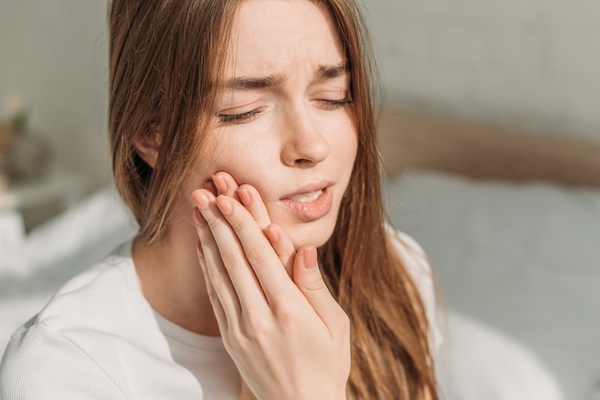
TMJ-related pain generally involves the jaw joints, chewing muscles, or surrounding structures. Dental pain originates in or around a tooth but can sometimes spread into the jaw.
The temporomandibular joints, or TMJs, connect the lower jaw to the skull. Temporomandibular disorders (TMDs) can cause jaw or facial pain, muscle tenderness, stiffness, limited movement, and painful clicking or popping. Painless clicking by itself is common and does not necessarily indicate a problem.
Dental problems can produce similar discomfort. Tooth decay, an abscess, a cracked tooth, or inflammation inside a tooth may cause pain that radiates into the jaw. This can make a tooth problem initially feel like a jaw-joint problem.
The two can also overlap. Teeth grinding may leave the jaw muscles sore while wearing down, chipping, or cracking teeth. No single symptom reliably distinguishes TMJ-related pain from a dental problem, so the overall pattern is more useful.
Signs Your Jaw Pain May Be Related to TMJ or Teeth Grinding
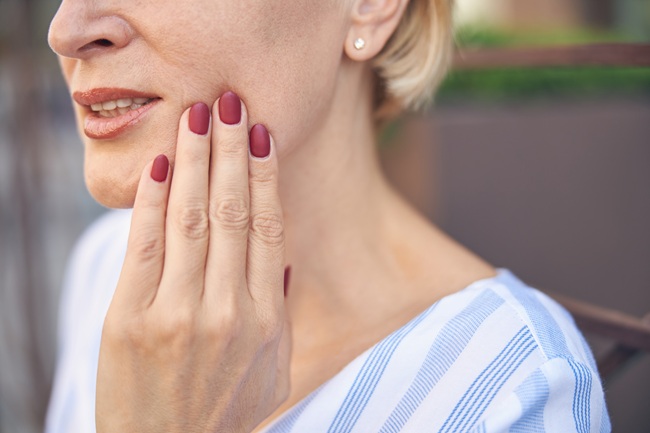
TMJ-related pain often involves the jaw joint or chewing muscles rather than one specific tooth. Discomfort may also extend into the face, temple, or neck.
Possible signs include:
- A dull or aching sensation around the jaw
- Tender or tired chewing muscles
- Jaw stiffness
- Pain that increases while chewing
- Difficulty opening your mouth normally
- Painful clicking, popping, or grinding
- Headaches associated with jaw tension
- A jaw that catches or locks
Teeth grinding and clenching, known as bruxism, can cause similar symptoms. You may wake with jaw tightness, tired muscles, or a headache without realizing you grind during sleep.
Grinding can also affect the teeth. Tooth sensitivity, flattened surfaces, chips, cracks, and other wear may develop over time. This overlap can make the source of jaw pain harder to identify because bruxism can cause both muscle and dental symptoms.
When Jaw Pain May Be Coming From a Tooth
Tooth-related jaw pain is often more focused around a particular tooth or area of the mouth. Biting pain, temperature sensitivity, swelling, or drainage can provide additional clues.
Tooth Infection or Abscess
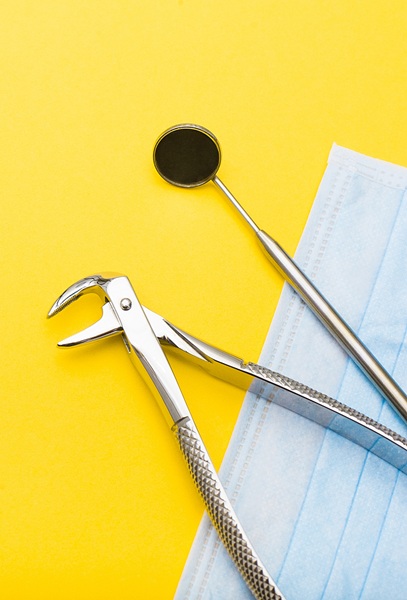
A tooth infection can cause persistent or throbbing pain that spreads into the jaw. Swelling, fever, tenderness, or a bad taste or drainage may also occur.
These symptoms deserve prompt dental evaluation rather than being treated as routine muscle soreness. Severe swelling or difficulty breathing or swallowing requires urgent medical attention.
A Cracked Tooth
A cracked tooth does not always look visibly damaged. Pain may come and go, making the source difficult to identify without an examination.
A crack may cause sharp pain when biting or releasing your bite. Hot or cold sensitivity can also occur. If symptoms center around one tooth, understanding how serious tooth cracks can be may help you recognize signs that deserve attention.
Tooth Decay or Irritation Inside a Tooth
As decay reaches deeper layers of a tooth, it can cause sensitivity or pain that sometimes seems to extend into the jaw.
Pain that disappears and returns does not necessarily mean the problem has resolved. Tooth-specific triggers, such as temperature or biting pressure, can provide useful information during an examination.
Does Your Bite Cause TMJ Pain?
Jaw pain does not automatically mean your teeth are misaligned. Current evidence does not support a “bad bite” as a universal cause of TMD.
Research also does not support the idea that orthodontic treatment causes TMD. However, changes in how your teeth come together can occur with dental damage, missing teeth, restorations, or certain jaw problems.
If your bite suddenly feels different, especially with pain or difficulty moving your jaw, mention the change during your dental examination.
What Can the Timing of Jaw Pain Tell You?
When jaw pain occurs and what triggers it can provide useful clues about its possible source.
Pain that is strongest after waking may point toward nighttime clenching or grinding. Soreness that develops after prolonged chewing may involve the jaw muscles or joints.
Pain triggered by one particular tooth suggests a different pattern. Sharp pain while biting may occur with a crack or damaged restoration, while hot or cold sensitivity can also point toward a dental problem.
Pay attention to when the pain occurs, what triggers it, and how long it lasts. Whether the pain is sharp or dull, affects one or both sides, or occurs with jaw stiffness can also help your dentist evaluate the cause.
When a Night Guard May Be Recommended for Jaw Pain
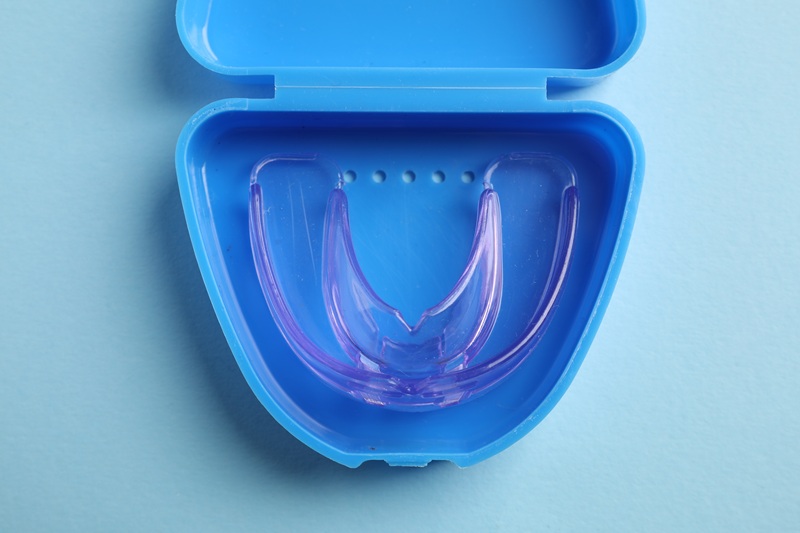
When teeth grinding contributes to jaw discomfort, a night guard may be recommended to protect the teeth during sleep. It creates a barrier between the upper and lower teeth, helping reduce wear from repeated grinding or clenching.
A night guard does not necessarily stop bruxism, and it should not be viewed as a universal treatment for TMJ pain. Its primary role is protecting the teeth from grinding-related damage.
Night guards also serve a different purpose than sports mouth guards, which are designed to protect against athletic impact.
If you regularly wake with jaw tightness, headaches, or sensitive teeth, learn more about who may need a night guard for teeth grinding.
Can You Manage TMJ Symptoms at Home?
Mild jaw-joint or muscle discomfort may sometimes improve with conservative measures. Temporarily choosing softer foods, avoiding excessive gum chewing, and reducing activities that overwork the jaw may help.
Heat or cold and greater awareness of daytime clenching may also provide relief for some people.
However, these measures are not substitutes for an examination when symptoms suggest a dental problem. A cracked or infected tooth requires a different approach than overworked jaw muscles.
If pain keeps returning, interferes with eating or jaw movement, or occurs with dental symptoms, an examination can help identify the likely source.
When Does Jaw Pain Need a Dental Exam?
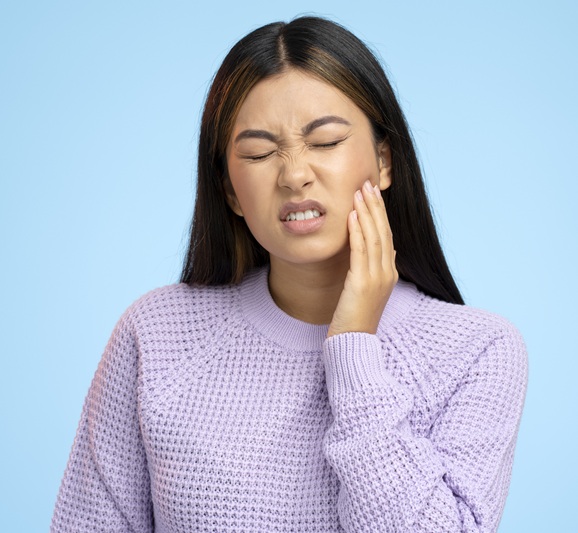
Consider scheduling a dental examination when jaw pain persists, repeatedly returns, or occurs with symptoms involving a specific tooth.
Reasons to seek dental care include:
- Pain when biting on a particular tooth
- New or increasing tooth sensitivity
- A chipped, cracked, or damaged tooth
- Swelling around a tooth, gum, face, or jaw
- Fever with dental pain or swelling
- A bad taste or drainage
- Difficulty opening or closing your mouth
- A sudden change in your bite
- Jaw pain following an injury
- Pain that interferes with eating or sleeping
Seek urgent medical attention for severe facial or neck swelling or difficulty breathing or swallowing.
During an examination, your dentist can check for decay, fractures, damaged restorations, tooth wear, and swelling. The jaw joints and chewing muscles can also be evaluated for tenderness and movement. Dental X-rays or other imaging may be recommended when needed.
TMJ-related and dental pain cannot always be distinguished from symptoms alone. Similar pain patterns can have different causes, and more than one problem may occur at the same time.
Finding the Source of Jaw Pain in San Ramon
You do not need to determine whether persistent jaw pain comes from your TMJ, teeth grinding, or a tooth before scheduling an appointment. A dental examination can help identify whether the teeth, jaw joints, chewing muscles, or surrounding structures may be contributing.
Parthenon Dental can evaluate persistent or recurring jaw pain, including symptoms accompanied by sensitivity, swelling, bite changes, or tooth damage. When grinding contributes to the problem, a protective night guard may also be considered.
If your jaw pain is lingering, returning, or accompanied by dental symptoms, schedule an evaluation with Parthenon Dental in San Ramon to determine the appropriate next step.
Before you arrive
Want to have the best possible experience at the museum? Here’s what to do before you arrive.